

The information and data on this page detail the results from the 2023-24 Survey of Recreational Fishing in NSW, which is undertaken by the Department via the Recreational Fisheries Monitoring Program. The survey commenced in November 2023 and ran until the end of October 2024.


Recreational Fishing
- 359,902 recreational fishing license holders and households fished at least once in 2023-24.
- An estimated 9.4 million aquatic organisms were caught, with 48% released back into water.
- 302 projects worth $19.4 million were funded through the Recreational Fishing Trusts in 2023-24.
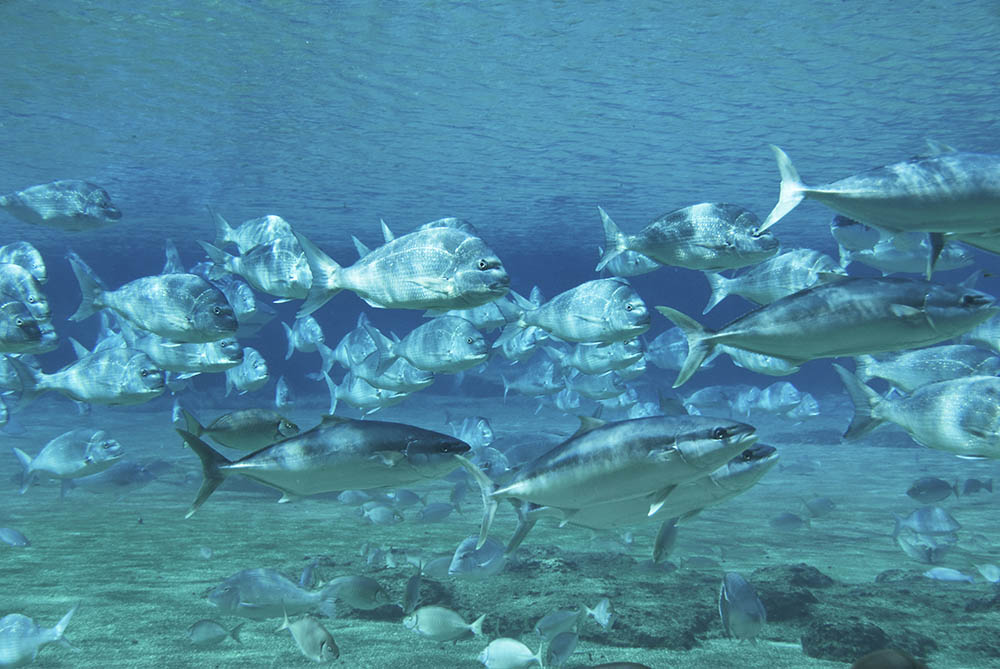
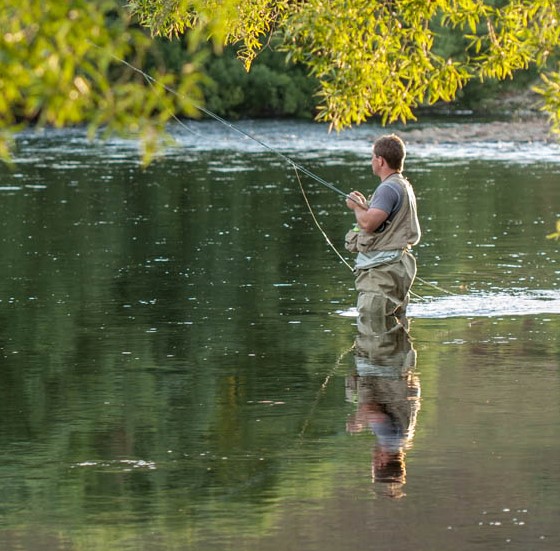
Recreational fishing delivers significant economic, social, and environmental benefits to communities across NSW. Valued at $3.4 billion, the industry supports the equivalent of 14,000 full-time jobs and plays a vital role in the health, wellbeing, and social fabric of regional areas.
137
NSW is home to some of the best fishing locations in the country, making recreational fishing a cornerstone of both coastal and inland community life.
Participation and Effort
Recreational fishing remained one of NSW’s most popular sporting and social activities in 2023-24, with a range of tournaments and competitions held throughout the year, including the Riverina Classic Catch and Release Fishing Competition. To support sustainable management of the sector, routine monitoring continued throughout the year, led by the Department’s Fisheries branch through the Recreational Fisheries Monitoring Program.
NSW Recreational Fishing Effort Over Time
The 2023-24 survey estimated that 359,902 NSW recreational fishing licence holders and other members of their households fished at least once in NSW waters during the twelve months from November 2023 to October 2024.
134
This equated to a total estimated fishing effort of 2,111,225 fisher-days. Recreational fishing activity across NSW was concentrated primarily in saltwater environments, with freshwater fishing also representing a significant portion of overall effort. Key participation patterns included:
- Saltwater fishing accounted for approximately 73% of total fishing effort, with the majority of this occurring in:
- Estuaries: 48% of saltwater effort.
- Ocean waters: 25% of saltwater effort.
- Freshwater fishing made up the remaining 27% of effort, primarily occurring in:
- Rivers: 19% of freshwater effort.
- Lake and dams: 8% of freshwater effort.
- Shore-based fishing remained the most common access method, accounting for 59% of total fishing effort.
- Line fishing using bait or lures continued to dominate, representing 91% of all fishing methods.
Regional distribution of effort reflected strong activity along the coast and in key inland regions:
- Three coastal saltwater zones collectively represented 73% of all state-wide recreational fishing effort.
- The Central and North Coast regions had the highest levels of participation, at 30% and 28% respectively.
- Within the freshwater zones, the Murray-Darling Basin continued to be the primary area for inland fishing, accounting for 20% of state-wide freshwater effort. 134
Catch
Recreational fishers in NSW continue to target a wide range of aquatic species, with survey participants reporting the capture of diverse finfish, elasmobranchs (sharks and rays), crustaceans, molluscs, and other taxa. In total, 144 species and species groupings were recorded as caught during 2023-24.
134
An estimated 9.4 million individual organisms were caught by households holding a recreational fishing licence in 2023-24. Of these:
- 4.9 million (52%) were kept.
- 4.5 million (48%) were released.
The most commonly caught species are as follows:
Saltwater species:
- Bream – 1,265,077 individuals (76% released)
- Dusky Flathead – 892,908 individuals (63% released)
- Snapper – 517,486 individuals (68% released)
- Tailor – 320,226 individuals (56% released)
- Sand Whiting – 297,480 individuals (62% released)
Freshwater species:
- European Carp – 519,622 individuals (0% released)
- Murray Cod – 325,457 individuals (86% released)
- Trout (Rainbow and Brown) – 247,544 individuals (79% released)
- Australian Bass – 128,779 individuals (93% released)
- Golden Perch – 109,694 individuals (65% released)
This data reflects the continued popularity of both saltwater and freshwater recreational fishing across NSW and the broad engagement of fishers with a wide variety of species.
134
Recreational Fishing Trust and Licences
Projects Approved for Funding from Recreational Fishing Trusts 2023-24
Source:
NSW Recreational Fishing Trusts (2024)
A total of 406,135 recreational fishing licences – including three-day, one-month, one-year, and three-year options – were sold in 2023-24.
140
This represents a 4.1% increase compared to the previous year, continuing a steady upward trend toward the pre-COVID peak of 474,517 licences sold in 2020-21.
All money raised by the NSW Recreational Fishing License fee is placed into the Recreational Fishing Trusts and spent on improving recreational fishing in NSW. $16.1 million in revenue was received from fishing fees in 2023-24, with $19.4 million drawn from the Trusts to fund 302 projects during the year.
In 2023-24, over 60 projects were approved for funding across key priority areas, with a total investment of more than $20.2 million. Fisheries enhancement remained a top priority, with 17 projects worth $5.0 million supporting fish stocking and initiatives to boost fish populations across NSW. Research also received significant support, with 15 projects funded at $3.01 million, helping build the scientific knowledge needed to sustainably manage fisheries. 140
Initiatives in Focus
Building on the 2023-24 highlights, the NSW Government and the Department of Primary Industries and Regional Development (DPIRD) continue to invest in programs that support a sustainable, inclusive, and thriving recreational fishing sector. In 2024-25, a number of new and ongoing initiatives have been rolled out to promote environmental stewardship, community participation, and education across the state.
Empowering Local Communities
A program to support regional groups in restocking native fish in their local waterways, helping to enhance local ecosystems and fishing opportunities across NSW. These grants aim to foster community-led stewardship of native fish populations and support long-term fisheries enhancement efforts. 138
Expanding Fishcare and Inclusive Participation
The Fishcare program has continued its strong outreach, delivering 118 free fishing workshops across NSW in 2024-25, reaching over 5,900 participants. These workshops include inclusive sessions tailored for people with disabilities and their care providers, cultural fishing workshops, and women-focused sessions, ensuring fishing remains accessible and welcoming to all communities.
Supporting Women in Recreational Fishing
In December 2024, DPIRD launched the NSW Women in Recreational Fishing online community. This initiative aims to connect and empower women across NSW, encouraging greater gender diversity in the recreational fishing sector through skill-building, experience sharing, and community support.
Enhancing Accessible Infrastructure
A new interactive map of accessible fishing platforms was launched to support inclusive participation. The tool helps people of all abilities identify safe, convenient fishing locations across the state and removes barriers to enjoying recreational fishing.
Educating the Next Generation
A new Get Hooked high school program was launched in early 2025, with 32 high schools already registered to take part. This builds on the success of the existing primary school program, which currently involves 108 schools and over 5,400 students across NSW in 2024-25. These programs teach students about sustainable fishing, aquatic habits, and responsible fishing practices.
These initiatives are aimed at building an inclusive environmentally responsible, and community-driven future for recreational fishing.


