



cropping
Oilseeds
- GVP $1.6 billion est. Up 18% year-on-year.
- Oilseed planting and production both saw strong growth
- Average domestic canola prices increased throughout the year leading to growth in export values
Production
NSW Oilseed Production
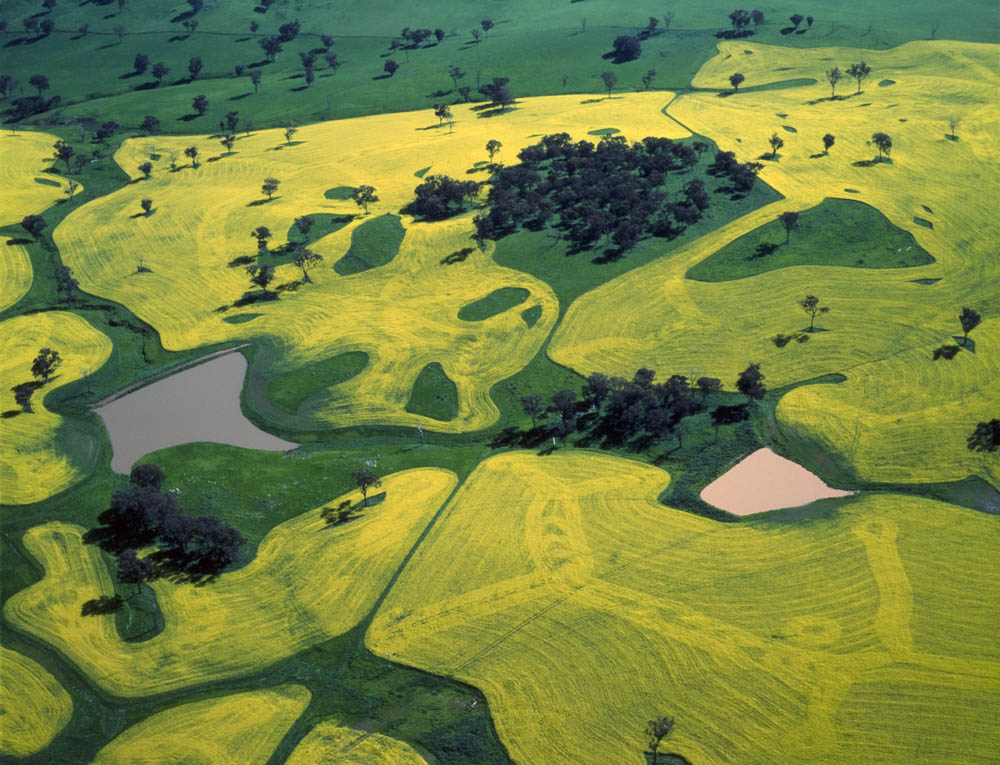
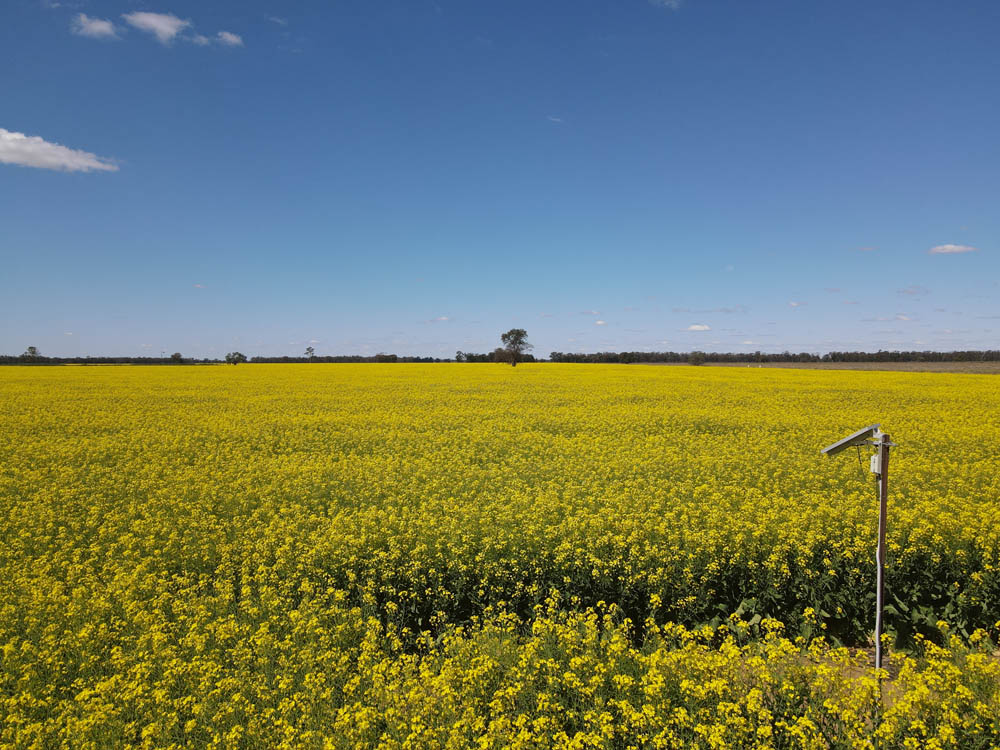
Conditions in NSW varied considerably from north to south. The Central and Northern regions benefited from above average growing season rainfall, while Southern NSW was hit with an unseasonably late frost which caused variable impacts on canola farmers. 49 12 Despite this, NSW production increased by 19% for the year, up to 1.9 million tonnes. This is 52% above the 10-year average, buoyed by larger plantings and stronger yields.
Australia remains a large global producer of canola, producing an estimated 7% of global production for 2024-25, behind only Canada, China and India. 188
Areas planted for cotton (and cottonseed byproduct), soybeans and sunflower all remained consistent with last year's levels. However a 48% year-on-year decrease in soybean yields to 1.56 tonnes/hectare, saw soybean production sharply. Total production of oilseeds reached 2.8 million tonnes, up 11% year-on-year. 3
Price
There are two major future markets for canola; The Canadian ICE futures (which tends to drive the GM Canola market) and French MATIF (which drives non-GM Canola). As NSW is predominantly a non-GM source, the MATIF is a useful market indicator. Expanded canola plantings and increased yields in the EU saw production numbers increase which saw the MATIF contract ease to finish 2024-25.
The United States is Canada’s largest export destination for canola. 56 Uncertainty around whether Canadian Canola would be exempt from the US tariffs saw a reduction in Canadian ICE futures. Canola currently enjoys duty-free status under the US-Mexico-Canada Agreement, but economic uncertainties remain that would have implications on canola prices, particularly GM canola. The threat of tariffs on Canadian canola seem to largely be resolved, which has helped Canadian prices rally in April 2025. 84 This provided stability for local prices as it reduced the likelihood of redirecting large amounts of Canadian canola into the global market that would have directly competed with Australian exports.
Canola prices
Trade
NSW yearly oilseed exports
China is tentatively back in the market for Australian canola, after effectively banning it in 2020 citing biosecurity concerns. 84 153 China is the second largest importer of canola globally behind only the European Union. Regaining access to this market will be beneficial for Australian producers as it would diversify export options. Trade tensions between China and Canada could see Canadian canola priced out of the Chinese market, potentially opening the door for Australia to become a reliable source of canola in the future. 59
Outlook
Increased global demand for sustainable aviation fuel may drive further growth in canola and oilseed crushing globally. Locally, Ampol and GrainCorp have been linked to expanding canola oil refinery for use in the aviation industry. Subject to a feasibility study GrainCorp expects to establish a canola crush with capacity to process 1 million tonnes a year. 14
The global oilseed market is largely dominated by soybeans, which is estimated to make up 61% of global production. As such global canola prices tend to follow soybean values. 131 Global production of soybeans has been increasing significantly over the past 10 years, which has placed downward pressure on prices. Global soybean production is forecast to shrink marginally, which may lend some support to soybean prices and flow through to canola prices. 187


