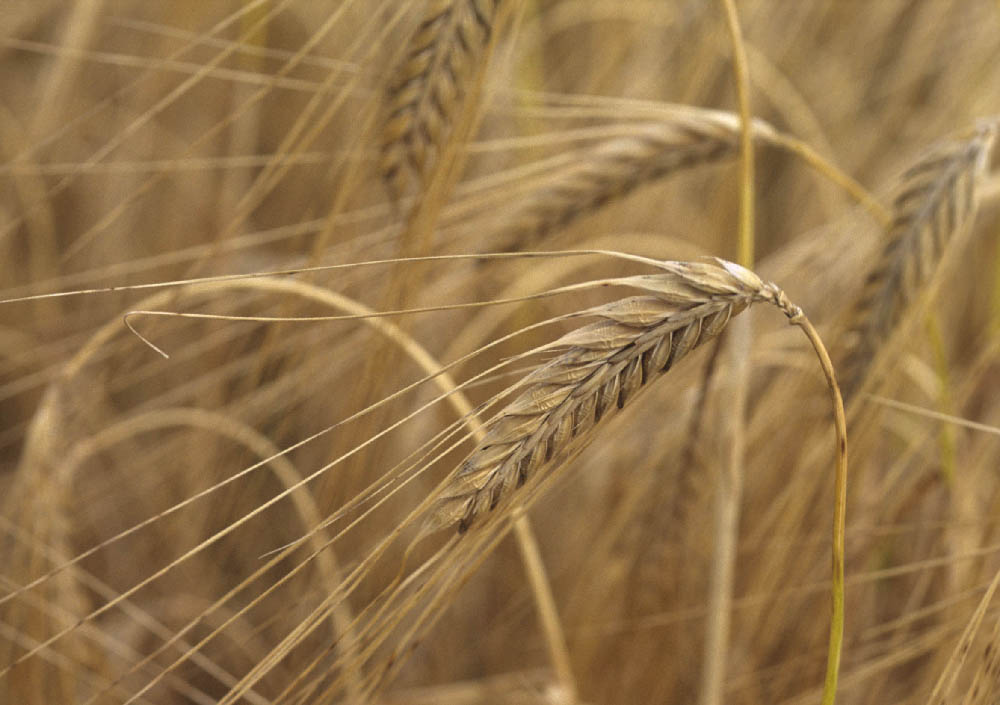

Barley

  • GVP $1.05 billion est., up 55% year-on-year
  • Exports to $225 million with China making up 90% market share
  • Despite frost damage, average yield reached record of 3.4 tonnes/ha
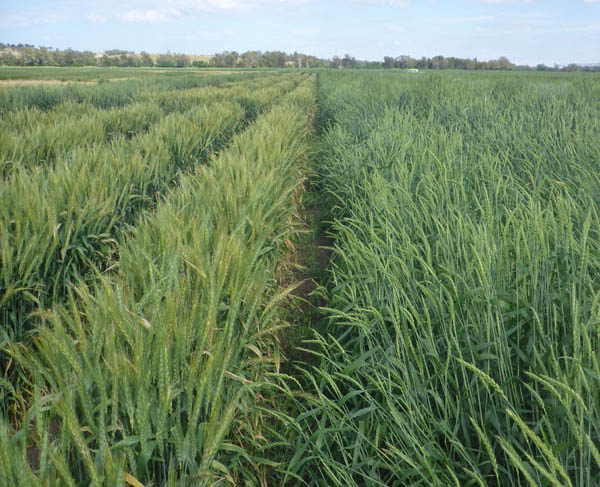
An early break along with a reasonably strong soil moisture profile set the season up for increased barley plantings and overall production potential. The otherwise good growing conditions were dealt a blow, with frost heavily impacting crops from Southern to Central NSW. Northern NSW escaped the worst of the frost event, and excellent growing conditions allowed for exceptional, record level state yields, while overall quality was also generally good. Pricing remained subdued, particularly around the harvest period with supply-related price premiums on offer for southern delivery sites. Overall, the season provided mixed results for barley producers generally based around regional variation, however the overall result was strong with GVP estimated at a new record of $1.05 billion in 2024-25. 76

Production

The 2024-25 barley crop received a favourable break across most grain growing regions with well above average rainfall in April and May. 51 Dry conditions in South Australia and Victoria kept plantings in those states steady around the 800 thousand hectares and also provided some early market signals to NSW producers of potential supply shortages. NSW producers responded to the seasonal break with increased barley plantings in 2024-25 which increased by 25% to 1 million hectares. The barley planted area and production share of the total NSW winter crop remained stable year-on-year at 14% and 17% respectively. 3

A severe frost event in mid- September set back the yield potential in Southern NSW growing regions, with the Riverina and Southern Slopes particularly hard hit. Reports of abandoned crops or yield reductions of up to 50% to 100% were common, which was particularly disappointing given the excellent crop condition prior to the front events. 198

The impacted regions received good rainfall in late September, which helped compensate for some of the expected losses. Despite some drier conditions emerging in Southern NSW, in crop rainfall and soil moisture reserves were sufficient to finish the crop.

The standout feature of the 2024-25 barley crop was the record yield of 3.4 tonnes/hectare, 77% higher year-on-year and 40% higher than 10-year average levels. Yields in Northern NSW through to the Central West NSW were exceptional offsetting frost impacted yields of Southern NSW. 168 In terms of quality, reports of good protein levels meant that a good portion of the crop made malt grade, although screenings were higher as a result of the frost event. 3 While total production did not reach the lofty heights of 2020-21 following the drought, the 3.4 million tonne crop was large enough to be the third highest on record.

Macroeconomic

Global barley production was steady in 2024-25 at 143 million tonnes with production in the European Union (the largest global barley producer) increasing 5% year-on-year which was partially offset by falls in production in the Black Sea region. 177 Similarly, global coarse grain production was also steady near record levels of approximately 1.5 billion tonnes, most of which consists of maize which makes up roughly 80% of global coarse grain on average. 181

The large global coarse grain supply kept barley prices largely subdued for the majority of 2024-25, although increased consumption meant that global ending stocks fell 10% on the year prior. China ending stocks inventory also fell but to a lesser degree, leading to China's share of global ending stocks increasing back to record levels equivalent to 63% of global stocks. Ultimately, a moderate run down in global coarse grain ending stocks was insufficient to spark a sustained or significant upwards shift and prices remained in a relatively tight band for the majority of the year. 181 87

Global Coarse Grain Supply, Ending Stocks and China Share aw

  • Production
  • Ending Stocks
  • China Share of Production (RHS)
Source: USDA (2025)

Price

Dry conditions across Southern Australia, especially in Victoria and South Australian provided some support to barley pricing around planting time upon concerns about new crop supply. These concerns proved relatively short lived for the remainder of the season, as the season shaped up more favourably in NSW, Queensland and most notably Western Australia. The geographical disparity in crop health became more pronounced as the season progressed, with barley prices reflecting the regional variation with premiums at the port of Melbourne becoming more pronounced as the season progressed. 74 38

Barley Prices

  • Feed 1 (del Melb)
  • Malt (del. Melb)
  • Feed 1 (del Port Kembla)
  • 5 Yr Avg Feed 1 (Del Port Kembla)
Source: DPIRD (2025)

Trade

NSW barley production is primarily focussed on supplying the domestic market unlike the national production whereby 56% of barley production has been exported on average over the past 10 years. Despite the traditional domestic focus of NSW production, improved seasonal conditions and increased yields provided a larger exportable surplus. Strong export demand allowed for substantial barley shipments valued at $225 million, a 600% year-on-year increase. 155 This was equivalent to approximately 17% of production in 2024-25.

Chinese buyers came back into the market in earnest in the 2023-24 financial year, after the tariffs imposed in 2020 were lifted. 11 The response from Chinese buyers to the tariffs being lifted was swift, with China accounting for 70% of national barley exports by value in 2023-24 and 72% in 2024-25. 155 Exports from France have made way for the renewed Australian exports, with French market share of Chinese barely imports falling from 31% in 2023 to 17% in 2024. 175 From a NSW perspective, a substantial exportable surplus allowed NSW to capture the reinvigorated interest from China, with $202 million of barley, and 90% of all exports by value making their way to into the Chinese market. 155

NSW Barley Exports

  • China
  • Vietnam
  • Taiwan
  • Philippines
  • Saudi Arabia
  • United Arab Emirates
  • Kuwait
  • ROW
Source: SP Global (2025)

Outlook

The current seasons barley crop is again facing some seasonal challenges, however plantings are estimated to be steady year on year at 1 million hectares. Barley plantings were expected to make up a slightly larger proportion of overall winter crop plantings, with some producers opting for a lower risk alternative in the face of the prevailing conditions. 3 Seasonal conditions in Northern NSW have been excellent, reflecting full moisture profiles leading into the season and above average in crop rainfall received. Unfortunately, these conditions contrast starkly with Southern NSW where conditions have worsened and the crop has had to rely upon a generally poor seasonal break, sub-optimal soil moisture and below average in crop rainfall. 51 52 The overall forecast is that yields are expected to be down on last year, although both yields and total production are forecast to remain above the 10-year average. 3
Global barley production is forecast to remain relatively steady, albeit in the face of a new record for total coarse grain production forecast to be up 4% to 1.57 billion tonnes with expectations of significant production increases from the US and Black Sea regions. Fortunately, global consumption of coarse grain is anticipated to rise and ending stocks will fall for a second year in a row. 181 Domestically prices led a small rally mid-year upon further supply concerns in Southern regions of Australia, including Southern NSW, however mid-season rainfall and an optimistic outlook for the spring have meant the rally was relatively short lived with prices retreating accordingly. 74