
Honey and Beeswax

Honey production in New South Wales during 2024–25 was impacted by adverse weather events, including flooding in the north of the state and dry conditions in southern regions. Additionally, the spread of Varroa mite and low honey prices contributed to a decline in participation and production. Despite these challenges, carry-over stocks from previous seasons helped maintain overall supply. Bulk honey prices dropped, although retail sales of Australian honey products, especially Manuka honey, saw modest growth. GVP declined by 14% year-on-year to $52 million.

Production

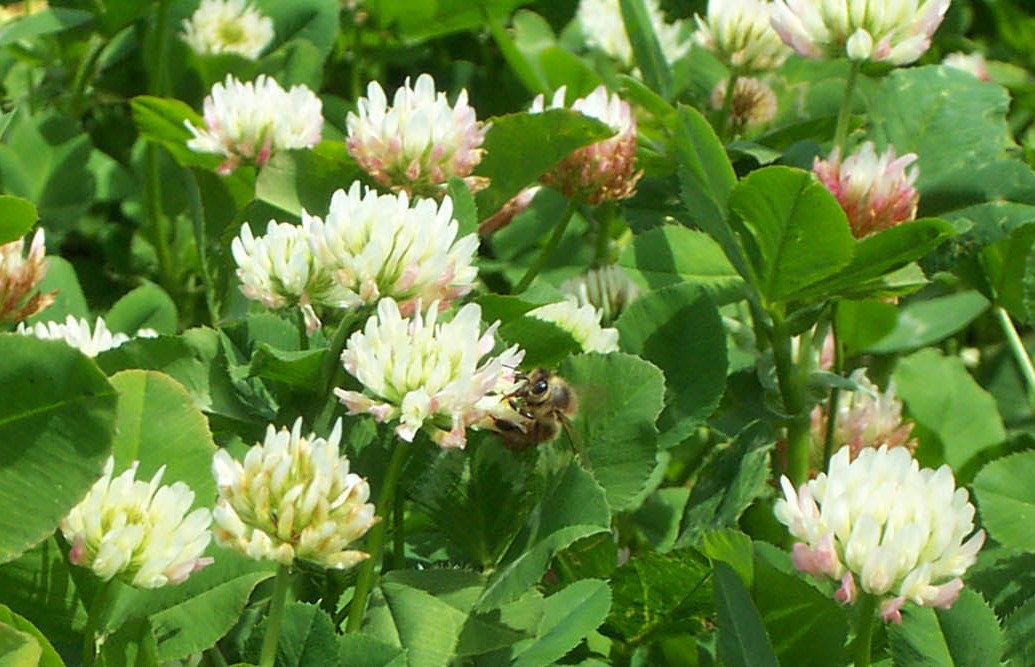
Balansa clover & bee
Honey production during 2024-25 was impacted by flooding in northern NSW and southern Queensland while drought in southern states especially South Australia impacted production nationally.[AHBIC (2025)] The number of registered hives decreased by 13% in NSW, while national hive registration was down 5% as of December 2024 to a total of 823,291 hives. 27 Consistent with the decline in hive numbers, the number of registered commercial beekeepers in NSW fell by 17% in 2024-25 from the previous year. The significant decline in NSW was attributed in part to the impact of Varroa which is mostly concentrated in NSW, while low honey prices and increased operating costs also placed pressure on beekeepers.

Despite the difficult production season, the combination of stocks of honey held by major packers as well as carry-over stocks held by beekeepers from previous seasons ensured sufficient supply throughout the year. 27

Prices

Average bulk honey prices nationally averaged around $4.50/kg for 2024-25, 8% lower from the prior year’s estimated average price, and down 20% from the prior five-year average. 63 26 Prices continued to ease due to carry-over stocks from previous seasons and competitively priced bulk honey imported and packaged locally, or used in manufacturing.

The average unit value of imported honey to Australia was $5.08/kg for 2024-25, a 30% decrease from the 2023-24 average. The average unit value of imports includes both high-valued product from New Zealand averaging $24.53/kg, as well as lower-priced imports from several Southeast Asian countries and China which ranged from $2.09 to $2.69/kg in 2024-25. 155

Australia’s high-quality honey is typically sold through supermarkets and as specialist health and wellness products through pharmacies. Retail supermarket and pharmacy sales increased by 4.5% with supermarket sales rising by 359 tonnes to 10,510 tonnes in 2024-25 (to May 2025), representing 3.5% growth year-on-year. Pharmacy sales of Australian Manuka honey increased by 9.5% over the same period. 26

Pollination services to horticulture and other pollination-dependent agricultural industries continue to be an important income diversification strategy when honey prices and production are low. On average, honey sales account for 66.5% of beekeeper revenue, with 26.2% of revenue from pollination services and the remaining 7.3% from other products such as beeswax and queen bee sales. 106 Estimated returns for almond pollination services are approximately $180 to $200 per hive. 171

Average Annual Bulk Honey Price

Source: Clarke and Le Feuvre (2024) , AHBIC (2025)

Trade

Exports of honey and beeswax from New South Wales totalled $13.1 million in 2024-25, 3% lower year-on-year. This decline is attributable to the lower average unit value of honey achieved by exporters in 2024-25 of $8.09/kg, down 6% from 2023-24. The volume of honey exported was flat compared to the prior year and totalled 1,614t, however this remained 53% higher than the five-year average. The value of beeswax exports was $0.8 million in 2024-25. 155

The value of NSW honey exports to the United States totalled $8.7 million in 2024-25, 4% lower year-on-year. The next largest destination by value was Hong Kong, which more than doubled to $1 million, while exports to China declined 52% year-on-year to $0.7 million in 2024-25. 155

Australian national imports of honey totalled $51.8 million in 2024-25, down 5% from the prior year. The decline in value is attributed to a substantial fall in the price of imported honey, with the average unit price 30% lower than in 2023-24. At the same time, the total volume of honey imports nationally increased 36% year-on-year, reaching 10,208 tonnes in 2024-25. 155

Value of NSW honey and beeswax exports

  • United States
  • Hong Kong
  • China
  • Japan
  • United Kingdom
  • ROW
Source: SP Global (2025)

Volume of NSW honey and beeswax exports

  • United States
  • United Kingdom
  • China
  • Singapore
  • Hong Kong
  • ROW
Source: SP Global (2025)

Outlook

The Varroa Mite Management Program continues to develop and deliver training for beekeepers to manage Varroa and minimise the ongoing effects of Varroa mite naturalisation on the European honey bee industry and pollination-reliant industries. 141

Favourable seasonal conditions in the north of the state and some easing of dry conditions in the south are likely to support floral resources for honey production in 2025-26. As in 2024-25, the level of honey stocks remains a key factor in determining domestic honey prices.