


livestock
Sheepmeat
- Lamb GVP rose to a record $1.25 billion
- Mutton GVP rose 82% to $468 million
- The Trade Lamb Indicator reached record levels in late 2024-25
Production
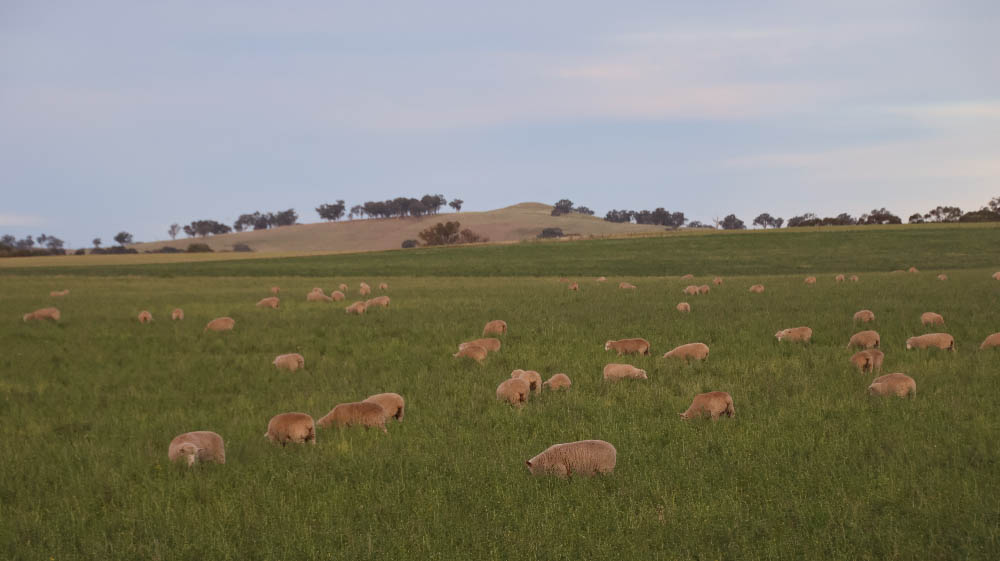
NSW was the highest sheep producing state, exceeding Victoria. NSW sheep and lamb producers benefited from another year of good conditions on the whole, however there were dry conditions across southern NSW over the cool season, particularly in the Riverina and Murray regions. 51 With wool prices down on year-ago levels there was a greater pull toward fat lamb production. On the processor side, efforts to maintain throughput and lower lamb supply encouraged higher competition for mutton 4 .
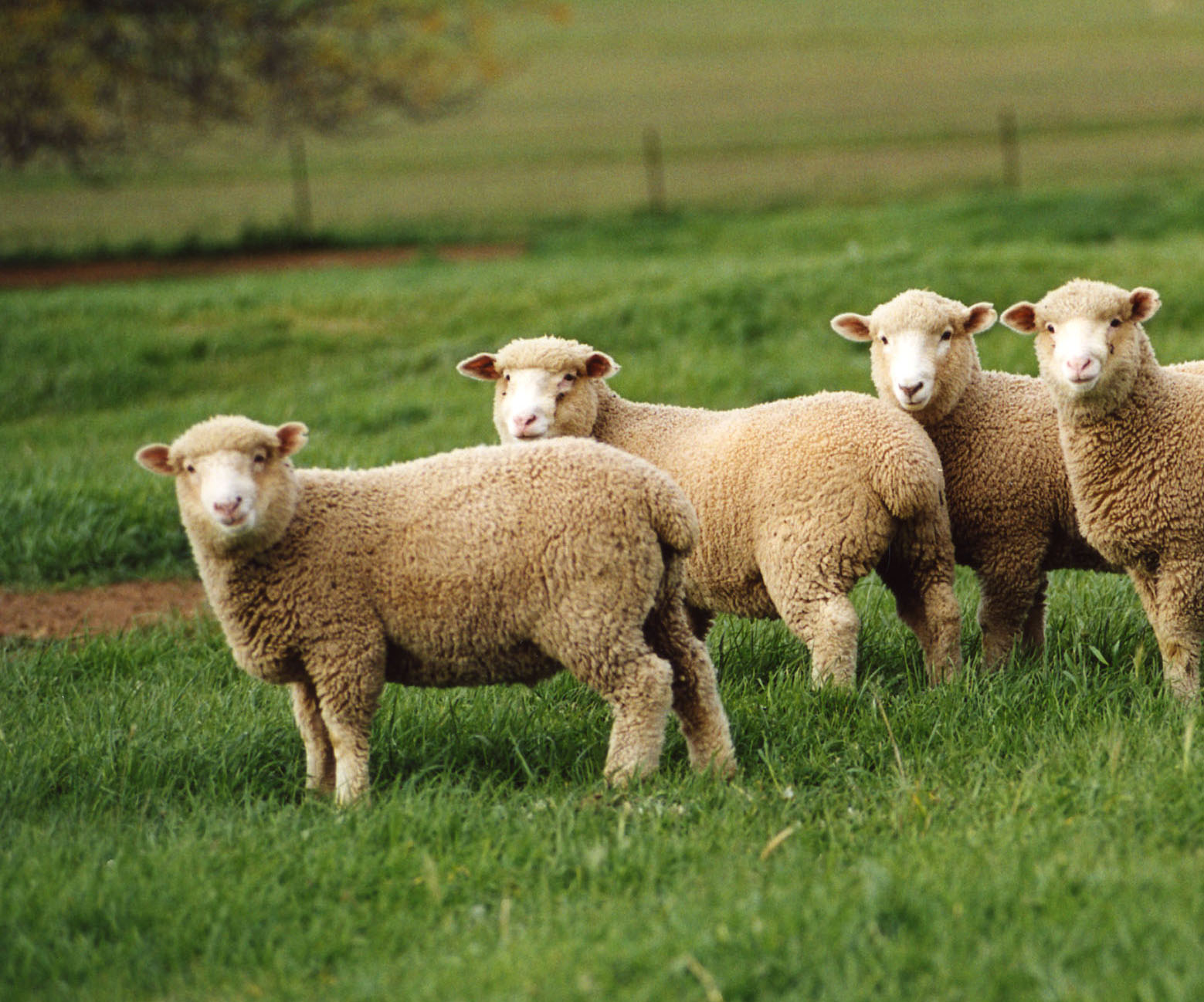
Carcase weights in NSW were lower than recent years, with lambs averaging 25.2kg, down from their peak at 26.2kg in 2020-21. There has been a long-term trend toward heavier lambs. Between 1999-00 and 2009-10 lamb carcase weights in NSW stayed around 20kgs, before rising steadily over the next decade to its peak of 26.2kg. In the past few years carcase weights ranged between 25 and 25.5kgs. NSW had the highest average carcase weights in Australia, with the national average reaching 23.7kg. Australian sheep meat production rates to record level, with a dry spring in Victoria and South Australia creating a significant fodder gap and influencing stocking decisions. 113 The Australian sheep flock rose to a 15 year high of 76.5 million head in 2024, and eased to 74 million head in as at 30 June 2025.
NSW Lamb and Mutton Production
Price
The National Trade Lamb Indicator peaked at 1037c/kg in June 2025 amid strong demand from processors and competition for supply. NSW trade lambs at the heavier end (24.1-26kg) averaged 849c/kg, compared to 813c/kg for animals in the 20.1-22kg range. Trade Lamb prices in NSW were marginally lower than Victoria over the financial year, which persisted across weight groups.
Nationally, the Mutton Indicator say the highest rise in percentage terms, up 76% over the previous year. Mutton remained the cheapest indicator or the sheep and lamb market, averaging 411c/kg over the year. The National Merino Indicator also rose strongly over year ago levels, up 61% over the 2023-24 average to be just under 669c/kg over 2024-25. Most sheep and lamb indicators saw higher throughput compared to 2023-24, with the exception of Heavy Lambs, which had nearly 7.1 million head sold this year.
Sheep and Lamb Indicators
- National Heavy Lamb Indicator
- National Light Lamb Indicator
- National Merino Lamb Indicator
- National Mutton Indicator
- National Restocker Lamb Indicator
- National Trade Lamb Indicator
Trade Lamb Indicator by Saleyard
Trade and Macroeconomic Conditions
Sheep - Export Markets
- Canada
- China
- Korea, South
- United Kingdom
- United States
Australian lamb exports to the United States were $1.36 billion, up 19% over the previous year. China was the second largest market for lamb with a value of $411.5 million, down 4% in 2024-25.
Saudi Arabia, United Kingdom, Iran and Qatar have recorded significant growth in recent years. Saudi Arabia has increased its consumption of mutton, which has risen from $50 million in 2022-23 to $150 million in 2024-25. Australia also benefitted from greater market access to the UK market after the AUKFTA entered into force in May 2023. NSW lamb and mutton exports to the UK tripled in the two years since.
Vietnam emerged as a significant export market for mutton, when it was previously a minor market. Australia benefits from tariff-free access for sheepmeat exports to Vietnam under the ASEAN-Australian-New Zealand Free Trade Agreement. However, most of the volume was exported in March 2025, so this trade may have been a one-off market driven opportunity, rather than the emergence of a long-term demand in Vietnam.
Outlook
Early data indicates that processor activity has slowed in the first quarter of 2025-26, compared to the previous year. At saleyards, spring supply has been lower than year-ago levels. High prices and lower lamb and mutton production early in the year have meant exports have started slowly, but data from the Department of Agriculture, Forestry and Fishing indicates this is mostly due to mutton in NSW (down 21%), while lamb export volumes from NSW are down 4%. 67 NSW mutton and lamb exports in early 2025-26 have performed better than Victoria, South Australia and Western Australia.