

Hunting

  • Number of recreational game licences averaged 25,869 in 2024-25
  • A total of 74,749 hunting days recorded, a 10% increase in activity from 2023-24
  • 18,803 feral animals harvested from declared State Forests in 2024-25.
Hunting is recognised as a legitimate recreational activity that delivers economic benefits to rural and regional communities across New South Wales. In addition to its economic contribution, recreational hunting plays an important role in managing populations of game and pest animals that pose threats to the environment, agricultural productivity, and local communities.

To ensure hunting is conducted safely and responsibly, the NSW Department of Primary Industries and Regional Development (DPIRD), in collaboration with NSW Police, regulates hunting activities on both public and private land. These activities are governed by the Game and Feral Animal Control Act 2002 (the Act) and the Game and Feral Animal Control Regulation 2022, which outline the legal conditions for hunting in the state. The Act also establishes the NSW Game Hunting Licence Code of Practice which contains standards of ethical behaviour and safe practices required when hunting game animals.

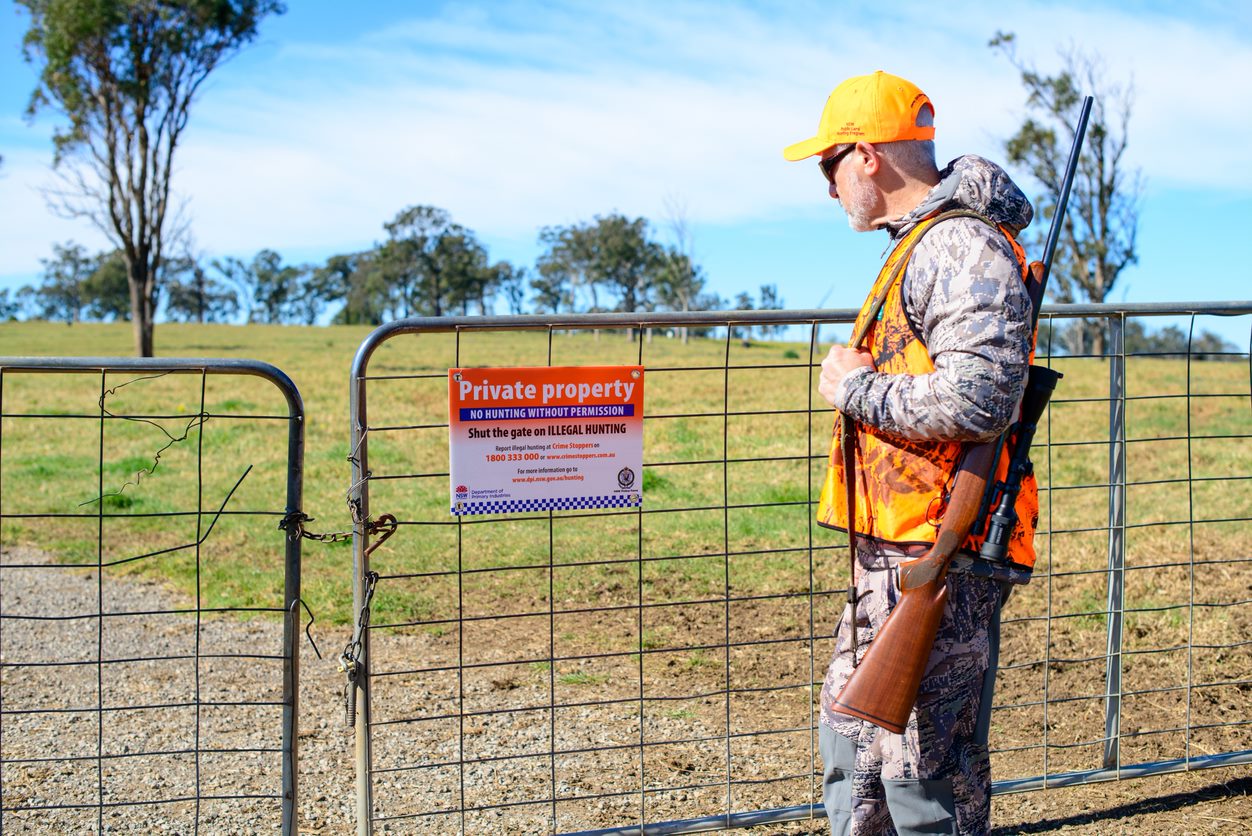
DPIRD Hunting supports ethical and sustainable hunting practices through a range of educational initiatives aimed at improving hunter knowledge, safety, and compliance. Programs such as the GunSmart firearms safety initiative, Stay on Target - ethical bowhunting, and responsible pig dogging are designed to promote best practices among recreational hunters. Additionally, the Hunter Learning, Education and Accreditation Program (LEAP) offers accredited training, short courses, workshops, and manuals to enhance hunter competency. DPIRD also partners with NSW Police on initiatives like the “Shut the Gate on Illegal Hunting” campaign, which forms part of a broader strategy to reduce rural crime and protect landholders.

Hunting Activity

The number of licensed hunters, including both restricted and general licences, increased marginally in 2024-25 to total 25,869. This number has remained relatively stable over the past three years following the spike in licences in 2020-21, which coincided with COVID-19 public health orders. 77

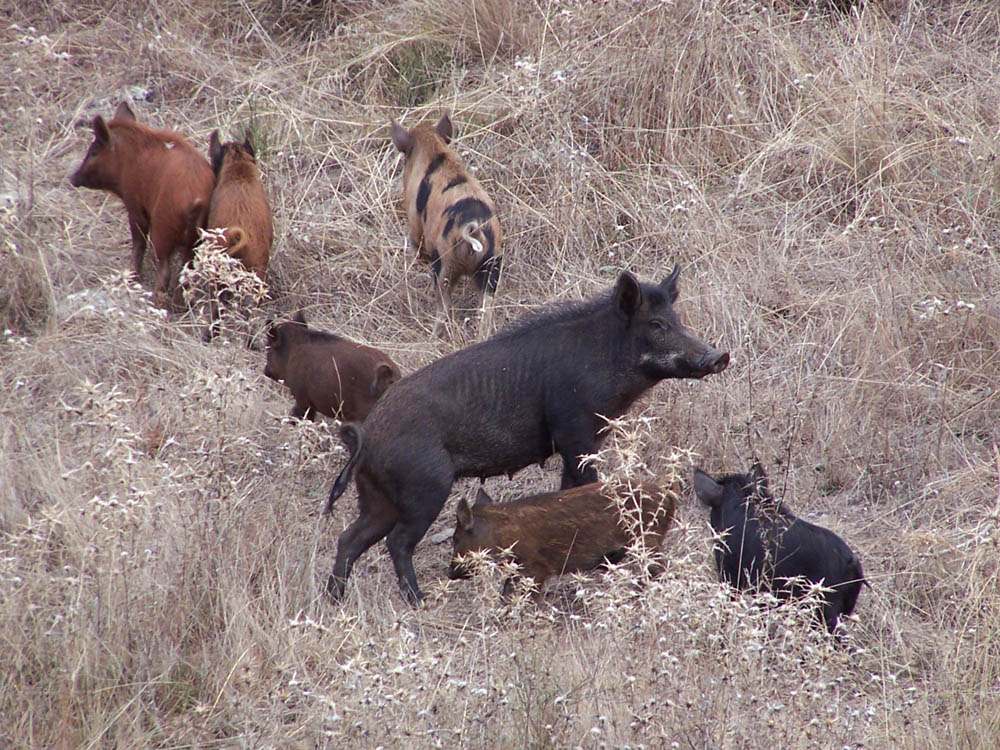
Licensed hunters harvested 18,803 pest animals as reported to DPIRD from declared public land in 2024-25, reducing the impacts of these species on native animals and ecosystems. 77 Hunting of pigs on public land includes separately identified night-time hunting which is subject to regulations and general conditions set out on written permissions. 75

These species have significant impact on native species and biodiversity as well as neighbouring agricultural activities. A Restricted License is required to hunt game and feral animals on public land that has been declared and opened to hunting, or on private land with the permission of the landholder, while a General Licence is required for hunting game birds on private property in NSW, including native species under the Native Game Bird Management Program.

With recreational hunting serving as a useful economic contributor to many regional economies a total of 68,404 permits to hunt in NSW State Forests were issued in 2024-25 resulting in 74,749 hunting days. This represents a 10% increase in activity from 2023-24. 77

Number of recreational hunting licences (Restricted and General)

Source: DPIRD (unpublished)

Reported pest animals harvested from NSW state forests

  • 2023-24
  • 2024-25
Source: DPIRD (unpublished)