



Executive Summary

Key points
- NSW GVP up 22% year-on-year to a new record of $25.5 billion
- Fourth consecutive year of GVP exceeding $20 billion
- NSW primary industry exports up 16% year-on-year to $12.8 billion, the second highest on record.
The NSW primary industries sector marked a new record high in 2024-25 as the Gross Value of Production (GVP) reached a historic level of an estimated $25.5 billion, an increase of 22% year-on-year.
ay
The result is 16% higher than the 5-year average and $2.4 billion higher than the previous record of $23.1 billion set in the 2020-21 financial year.
ay
The result coincides with national GVP exceeding $100 billion, with NSW contributing an estimated 25.4% of the nation's agricultural farm gate output in 2024-25.
4
ay
Contributing to this strong result was the substantially improved seasonal conditions compared to the year prior, with a late spring break in 2023 helping to replenish soil moisture levels leading into summer, followed up by average to above average rainfall across most regions in autumn 2024. 51 Following a relatively dry period and some localised drought conditions in mid to late 2023 which combined with relatively low livestock prices, the improved conditions helped boost producer confidence by setting up a solid feed base and cropping season leading into winter 2024.
Livestock industries responded to the improved seasonal conditions by retaining livestock to capitalise on the improved feed base, a feature then reflected in livestock prices as supply began to tighten. Sheep meat prices in particular were a highlight, with lamb prices surging to record levels in 2024-25 only to be further eclipsed following the end of the financial year. Strong international demand was a key feature which combined with strong base herd and flock numbers to draw out record levels of red meat production. Dairy production hit a new record, with a small increase in production coupled with sustained elevated farm gate milk prices to lift dairy GVP to a modest new record high. Strong demand for chicken meat driven by the continuing trend of consumer substitution towards chicken meat helped maintain the industry above one billion dollars for a second-year running. Combined livestock and livestock products GVP reached a record level of $9.5 billion, 18% higher than 5-year average levels. ay
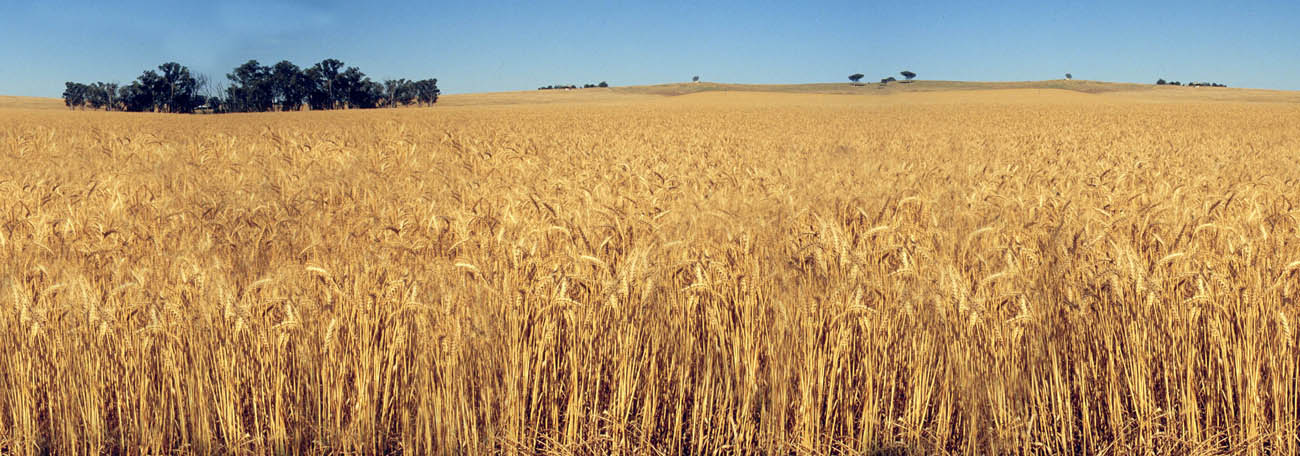
Winter cropping was a major beneficiary of the improved seasonal conditions. As usual, there were seasonal challenges with a major setback in the form of severe frost event impacting large areas of Southern NSW and parts of the Central West. A record chickpea crop was spurred on by a temporary suspension of tariffs to the lucrative Indian export market and as a result the value of the chickpea crop surged 400% past one billion dollars for the first time. Barley also reached record levels underpinned by the re-establishment of China as the market of choice following the removal of tariff barriers. Wheat and canola also made valuable contributions to the record winter cropping results. Summer cropping industries also made significant contributions to the result, however lower inflows into key storages particularly in the NSW Southern basin in late 2024 impacted plantings and production potential from the region.
Despite the lower water allocations, the growing season was generally favourable with good yields being reported for major cropping industries such as cotton and rice. The remnants of ex-Tropical Cyclone Alfred unfortunately impacted crops in the Northern Basin, with quality downgrades being reported. The combined value of the broadacre cropping sector was estimated at a record $11.6 billion, 14% higher than the 5-year average.
ay
Horticultural GVP also reached a record level of an estimated $3.7 billion. This was aided by generally favourable growing conditions that set up strong yield potential and minimised disease load, as well as maturation of the tree nut plantations leading to increased production. The forestry sector was estimated to increase by 6% to $468 million, while NSW fisheries were also estimated to have increased by a modest 4% to a combined $223 million across the wild caught and aquaculture sectors. ay az
There was no shortage of markets for the increased production from NSW primary industries. Strong international demand for NSW high quality produce was evident in the second highest exports value on record at $12.8 billion, 16% higher year-on-year and 16% higher than the 5-year average. 155 x y The result was a modest 2%, or $270 million lower than the previous record export year recorded in 2022-23. Key drivers of the near record exports were increased supply of wheat, while the relaxation of Indian chickpea tariffs provided significant support. Livestock exports, and red meat in particular was supported by a surge in demand from both China and the US. The latter increased imports of high quality Australian red meat to supplement significant domestic protein supply shortages as the US cattle herd hit historic lows. 54
The outlook for the 2025-26 financial year is positive despite a forecast reduction in GVP. Red meat prices have recovered from the lows of last year. Investment made by the sheep meat and beef processing sectors continues to benefit industry with increased capacity able to support current production and strong demand for livestock. Dry conditions are expected to be the most influential factor on the current season, with parts of Southern NSW currently impacted by drought which will reduce yields and has already led to lower carrying capacities. Southern NSW irrigation dependent industries are expecting a second year of lower water allocations, which will reduce production of cotton and rice in particular. This should be at least partly offset by favourable conditions in Northern NSW. Global economic uncertainty has also increased over the last twelve months, with the impact of US tariffs on the global economy still yet to be fully detailed or materialised. The preliminary forecast is for GVP to decline by 10% in 2025-26 to $23 billion, which if achieved, would be equal to the second highest GVP on record. ay
NSW Primary Industries Gross Value of Production Overview 2024-25 ay
| Industry | Output (millions) | % change y.o.y |
|---|---|---|
| Wheat | $4,311 | +43% |
| Cattle | $3,936 | +29% |
| Horticulture | $3,536 | +7% |
| Cotton | $1,965 | -8% |
| Sheep, Lamb & Goat | $1,770 | +42% |
| Oilseeds | $1,586 | +18% |
| Pulses | $1,392 | +263% |
| Poultry | $1,173 | +12% |
| Barley | $1,047 | +55% |
| Wool | $923 | -11% |
| Milk | $888 | +1% |
| Other Broadacre Crops | $659 | +10% |
| Forestry | $468 | +6% |
| Eggs | $451 | +8% |
| Sorghum | $306 | +5% |
| Pigs | $300 | +12% |
| Fisheries | $223 | +4% |
| Wine Grapes | $209 | +20% |
| Rice | $194 | -30% |
| Sugar Cane | $91 | +4% |
| Honey & Beeswax | $52 | -14% |
Source:
DPIRD (2025)


