



cropping
Wheat
- GVP $2.33 billion est. Down 38% year-on-year.
- Weather market drivers took centre stage in 2023-24.
- NSW exports were down due to a smaller domestic crop and slow global demand for Australian exports as the Black Sea was more competitive.
Production
NSW Wheat production and yield
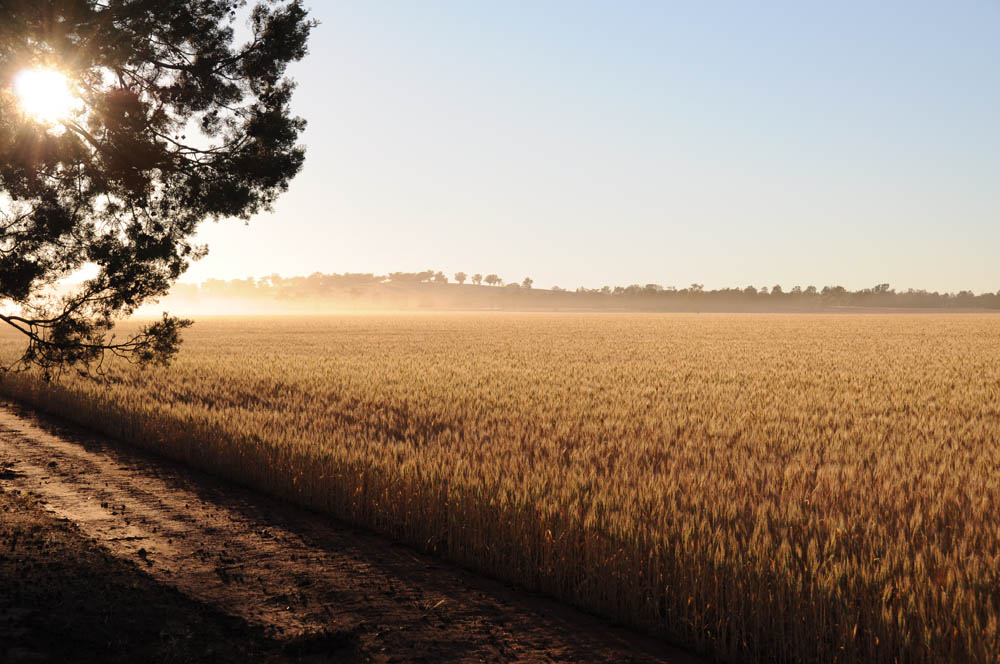
Whilst soil moisture levels prior to planting were reasonable across the state, rainfall during the growing season was much more variable, concentrated largely in southern and central growing regions with the north-west of the state being considerably drier. Widespread back-to-back rain events during June and early July across southern and some central growing regions, greatly aided with crop establishment and topped up soil moisture reserves. However, in the north and north-west, infrequent and ineffective rainfall events during Autumn and Winter, impacted germination and stalled crop growth. Rainfall was again below average for most growing regions from July to September, with the drier conditions coinciding with higher-than-average spring daytime temperatures, taking the top off potential yields.
Despite the drier growing season, heavy spring rainfalls in the central and south of the state over the harvest period delayed receivals, and some late frosts in the south led to some quality downgrades. 83 The soft finish to the season also resulted in a larger proportion of ASW low protein wheat produced through southern NSW. 119
Trade and macroeconomic conditions
Global wheat production remained steady in 2023-24, estimated at 789 million tonnes, as did global consumption, which increased by a marginal 1% to reach 798 million tonnes. Global ending stocks were estimated to have fallen by 2.5% to 315 million tonnes, although remain relatively high on an historical basis. 71 Despite high production, the global stocks-to-use ratio only rose by 2%, remaining close to the 10-low at 38.2%. 71 Whilst this situation would traditionally coincide with high prices, a forecast increase in global production and steady stock-to-use ration for corn, helped to keep wheat prices in-check. 95
NSW wheat exports were down 66% year-on-year to $1.1 billion, mirroring the drop in production and the lower exportable surplus. 79 The highly competitive trade environment and soft demand meant that exporters had to work harder to place Australian wheat into international markets. Whilst the bulk of NSW wheat exports continued to flow to our traditional markets in Asia (including Vietnam, China, Philippines and Indonesia) and the Middle East, the relatively high price of Australian wheat compared with our key competitors weakened demand, forcing Australian international market prices lower. This price fall, coupled with the unfavorable domestic climatic conditions and forecast drier seasonal outlook, resulted in NSW exports stagnating over late spring before picking up pace again over the summer. 79 NSW is also a large consumer of wheat which can make the amount of surplus wheat available for export volatile.
Price
Australian wheat export price/Black Sea price premium
Domestic wheat prices started the year tracking sideways within the range that they had established since late 2022 - around $400-$450/tonne. 63 Weather-related risks around harvest saw prices reach a seasonal peak during late September/early October, rising by up to $30/tonne and supported in the face of the global price decline. Values quickly moved back to the mid-$400 range by the beginning of summer, influenced by increased harvest selling, high global supplies and strong export competition. Prices eased further over the course of the rest of the 2023-24 year, falling on average 20% since the peak in October 2023. 63
Export prices generally trended in a similar pattern with any upside kept in-check under the weight of the record Russian export program and aggressive price competition. This price advantage enabled Russia to capture a larger market share, particularly into some of Australia’s traditional key destinations such as Asia. 122
Outlook
Global wheat production for 2024-25 is forecast at a record 794 MMT and global ending stocks are forecast to remain stable at 256 MMT. Market participants will be watching with interest to gauge whether the recent higher levels of feed grain demand can be maintained to support prices into the second half of the year.
DPIRD Initiatives in Focus
Farms of the Future
The Farms of the Future program is committed to helping farmers embrace technology for increased productivity, market competitiveness, and better resource management. We focus on enhancing digital skills in farming, promoting the use of IoT devices to boost productivity and sustainability, and engaging with the Agtech industry.
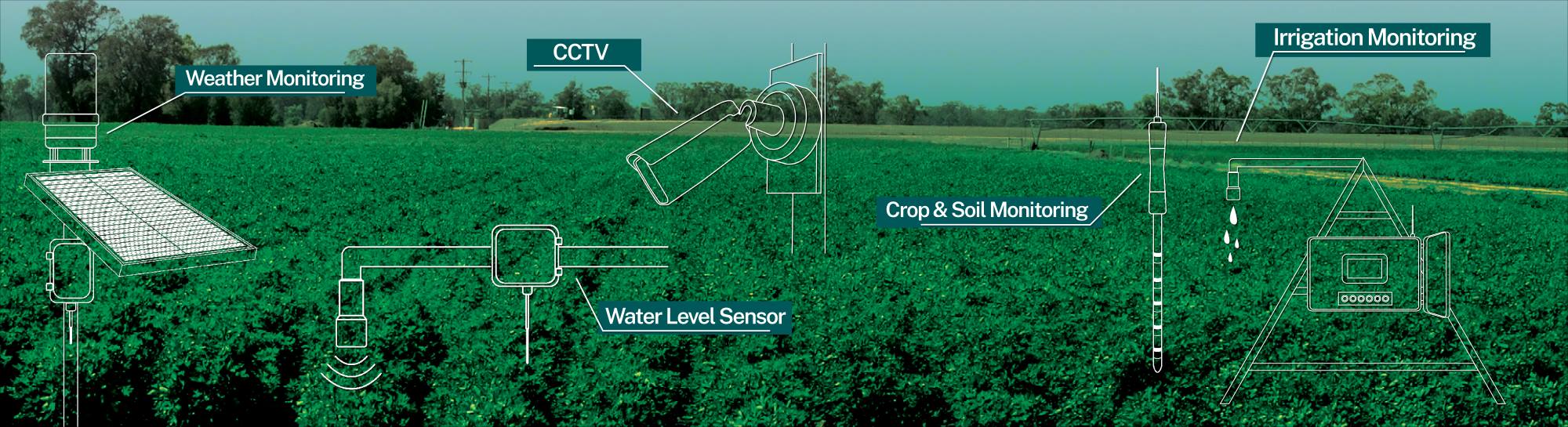
- Agtech Education Program: The training courses equip farmers with the knowledge and skills to identify, implement and utilise cost effective Agtech, plus provide an opportunity for farmers to analyse their business needs and farm landscape to develop a Monitoring Plan.
- Agtech Toolbox website: The Agtech Toolbox serves as a platform for Ag IoT devices (Agtech) and on-farm connectivity solutions. Through this online resource, farmers can explore a variety of Agtech products, suppliers, case studies, education opportunities, informative articles, job openings, and upcoming Agtech events.
- Agtech Demonstration Hubs: Agtech Demonstration Hubs are strategically situated at multiple DPIRD research stations and in partnership with various farms and universities. These hubs serve as live showcases of Agtech in action. Farmers are welcome to visit and witness firsthand how devices function in real farm settings, observe the data collected by these devices, understand how farms utilise this data, and explore the productivity and resource management enhancements facilitated by new Agtech solutions. Our team of Agtech Specialists is available to provide personalised tours of the Agtech Demonstration Hubs for farmers who have completed the Agtech Fundamentals training course.
- Farms of the Future Agtech Specialists: Our team of Agtech Specialists collaborates with farmers to pinpoint challenges on their farms and explore how Agtech and enhanced connectivity can provide solutions. These Officers also organise visits to the Agtech Demonstration Hubs, participate as speakers at industry workshops, and deliver the “Agtech Fundamentals” and “Agtech in Action” training programs.
- Agtech Alley Events: Agtech Alley provides a designated space for suppliers at major field days, to exhibit their innovative products and services, facilitating exposure and networking opportunities with a targeted audience of potential customers, investors, partners, and stakeholders. Moreover, these events serve as hubs for knowledge sharing, fostering discussions on the latest trends, advancements, and challenges within the Agtech sector, while also creating a conducive environment for business collaborations, partnerships, and sales.
- Using Agtech to address emerging climate challenges.
Click here for more information.


