


cropping
Barley
- GVP $500 million est. Down 20% year-on-year.
- Production was 1.9 million tonnes, down 16%.
- NSW exports were $51 million, down 6%.
Production
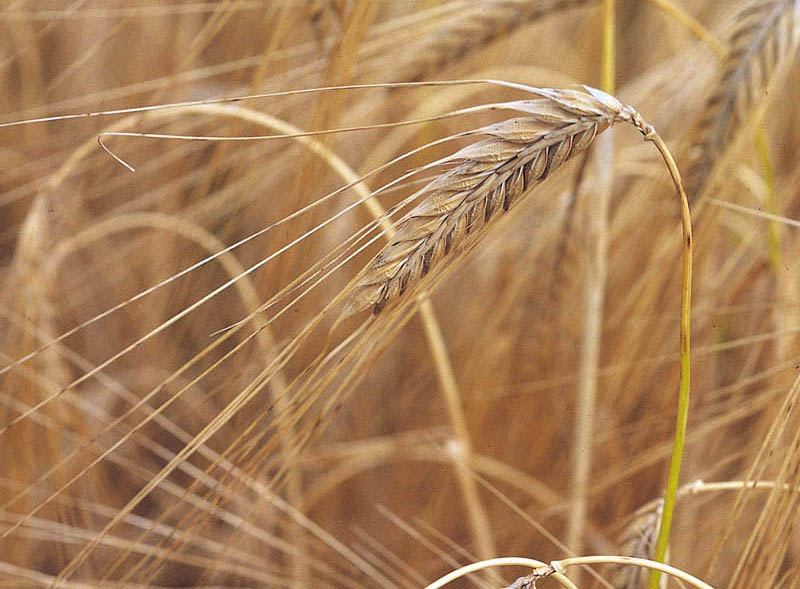
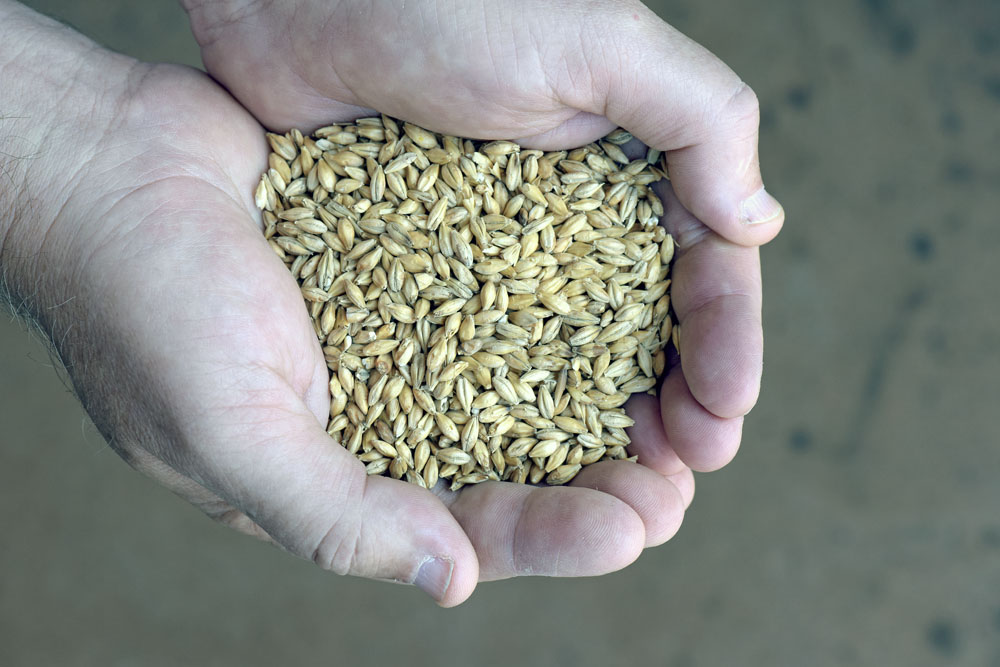
While the area planted to barley increased 3% to 800,000 hectares, yields were lower on average, with dry conditions throughout spring in the north of the state. Conditions were largely favourable in southern NSW with good soil moisture profiles at planting carrying crops through. The area planted remained below the 10-year average for NSW, with the bumper years of 2020-21 and 2021-22 lifting the average to 933,000 hectares.
The estimated value of production for NSW was $500 million, a 20% fall compared to 2022-23. Australian barley GVP was 26% lower to $3.6 billion, though 2022-23 was a record year for Australia. Australian GVP was still 15% higher than the decade average of $3.1 billion.
Price
Despite Australian cattle prices easing over the second half of 2023, feedgrain demand was strong due to the record number of cattle on feed. This helped to cushion the fall in domestic barley prices. Premiums for malting barley narrowed in 2023-24, as malting barley in Melbourne averaged $409/tonne for the year, a $18/t premium over corresponding feed barley. This premium was down from $29/tonne over the 2022-23.
Trade and Macroeconomic Conditions
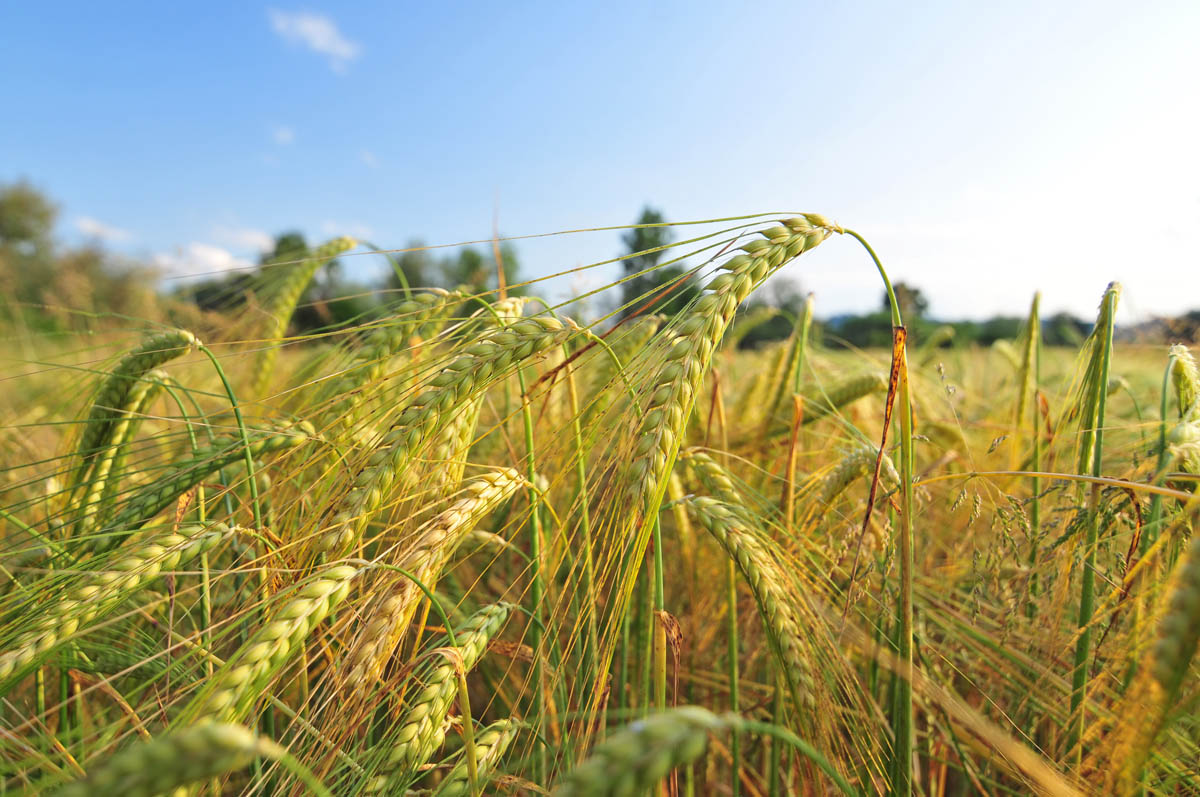
While a significant producer, NSW exports are lower than other states, with a value of $51 million in 2023-24. This was 6% below year-ago levels. Barley for malt accounted for 40% of the total barley exports from NSW. Western Australia exports were $1.78 billion by comparison and WA is the major exporter to China.
Domestic barley consumption has increased this year with record numbers of cattle on feed in NSW and Queensland. Feedlot numbers reached record levels in March 2024 with the total cattle on feed in Australia reaching 1.35 million head.
Outlook
DPIRD Initiatives in Focus
Speedy Wombats across NSW!
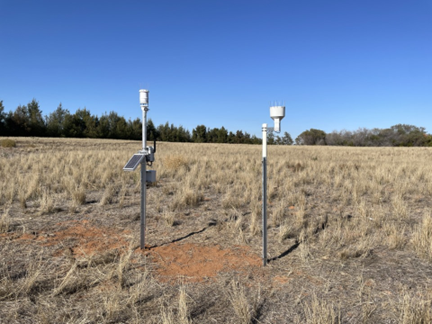
The Climate Digital Agriculture team has designed a circuit board and software to enable the collection and transmission of weather station and soil sensor data for real-time analysis. Called the Wombat, the technology enhances the capacity to monitor seasonal conditions and drought forecasting.
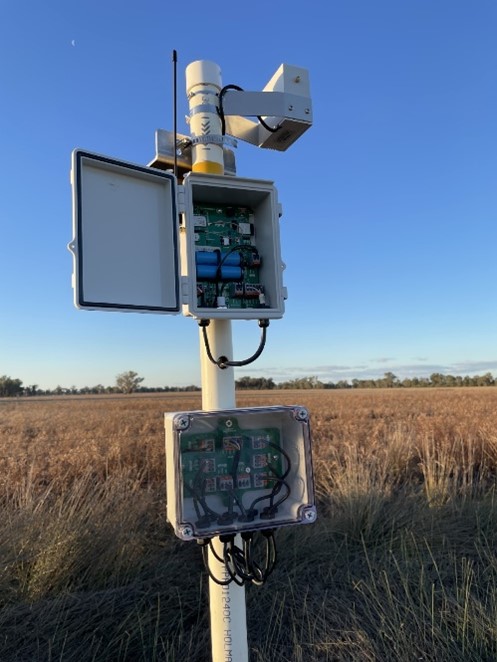
To date over 70 Wombats have been deployed across NSW sending 1.85 million messages over the last 13 months. Wombats can be remotely managed, are rugged, and serviceable by farmers if problems arise. Each Wombat can manage up to 10 attached sensors and sends data via the 4G LTE network. Other boards we've designed and built include the Kangaroo, and we are currently developing the Bettong, a new low powered module for water monitoring.