

Nationally, average honey production per commercial beekeeper was estimated at 14.4 tonnes in 2023. 47 While beeswax production also contributes to the value of the industry, its contribution is minor, and estimated to account for less than 3% on the industry's total gross value of production at the national level. 47


livestock
Honey and Beeswax
- GVP $75 million est. Up 19% year-on-year.
- Honey price averaged $4.90 per kilogram.
- Exports increased 27% over prior year to $14.3 million.
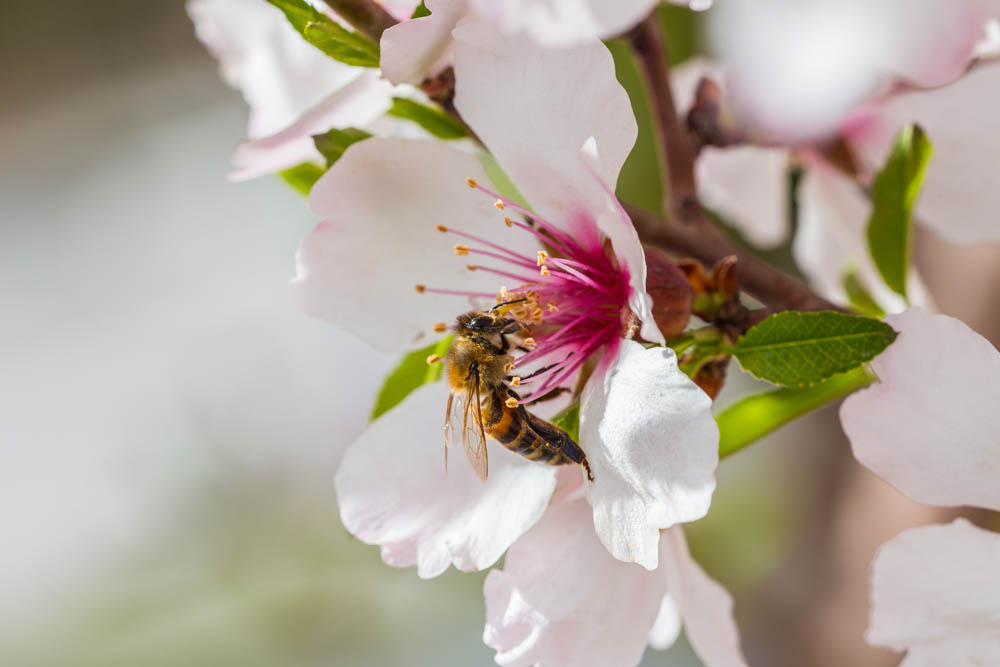
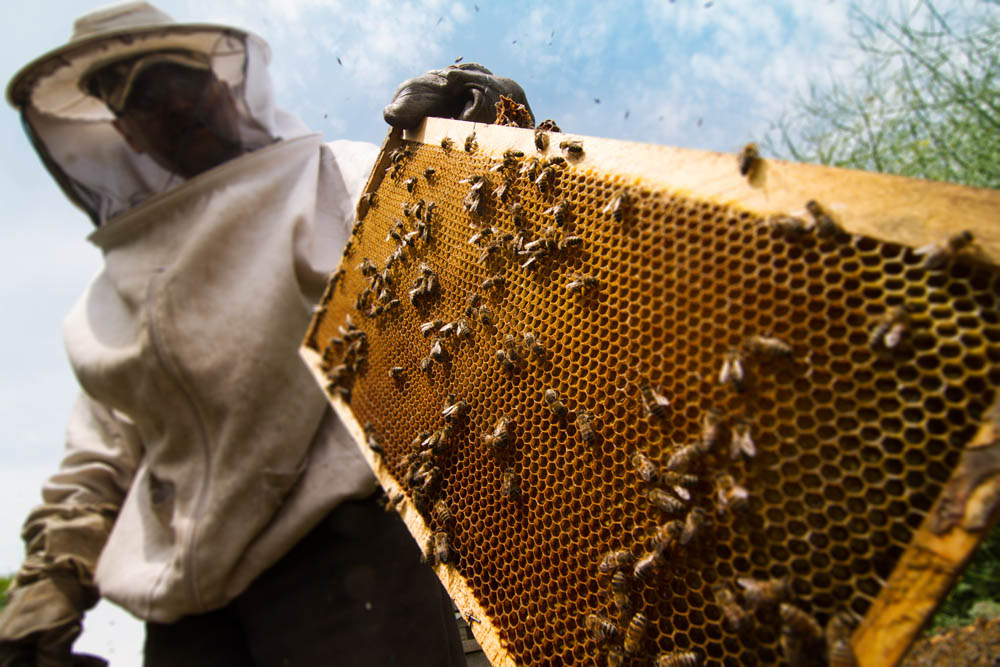
Varying seasonal conditions were experienced across the state during 2023-24, with dryer conditions in northern regions at critical times limiting floral resources. In southern NSW however, production was supported by canola crops which was followed on by the availability of Mallee eucalypts. Industry reported wide spread use of supplementary feeding during Autumn, while movement restrictions as a consequence of the Varroa mite incursion, increased complexity for NSW beekeepers.
19
Nevertheless, overall easing restrictions due to Varroa mite supported higher production.
Price
Average Annual Bulk Honey Price
Source:
Clarke and Le Feuvre (2024)
Bulk honey prices have been on a declining trend over the last several years. Increased honey stocks held by packers have contributed to an easing of the honey price received by producers. Bulk honey prices are estimated to be down marginally year-on-year to average $4.90/kg for 2023-24. The price has declined by 25% over the last four years.
19
47
While pollination services, do not contribute to the honey industry’s gross value, the activity provides an important revenue to beekeepers and a critical input to horticultural and cropping industries. In 2023 the average estimated price for almond pollination was $210/hive a 17% increase on the previously reported 2020 price. 47 The increase in price reflects, in part, the recent challenges faced by industry to supply sufficient numbers of hives with movement constraints as a result of the entry of Varroa mites. This limitation to hive supply has occurred at the same time as demand for pollination has increased as maturing almond crops come on line in southern New South Wales, Victoria and South Australia.
Trade
Nationally, honey and beeswax exports increased 20% year-on-year to total $66 million primarily as a result of higher export pricing given volumes were up only 2% in 2023-24. The United States, China and Canada accounted for almost half of the total value of exports in 2023-24. At the same time imports of honey and beeswax nationally were 5% lower in value terms for 2023-24, totalling $59 million. Honey from China represented 42% of the volume of imports in 2023-24, with this product typically targeting lower priced sections of the domestic market.
79
NSW exports of honey and beeswax totalled $14.3 million in 2023-24, a 27% increase year-on-year. In NSW export volumes were higher, up 39% to just over 1,600 tonnes.
The United States was the dominant market for exports, valued at $9.1 million in 2023-24 The volume of exports reached 1,320 tonnes, up from 885 tonnes in 2022-23. The average unit price of exports was valued at $8.59/kg, 9% lower than 2022-23.
79
Imports of honey totalled 2,306 tonnes in 2023-24, 14% lower year-on-year. The value of honey exports was $27.4 million, up 2% higher year-on-year. New Zealand was the major source of imports by value worth $23.4 million in 2023-24, with Malaysia the next most significant source although only valued at $2.4 million. 79
Value of NSW honey and beeswax exports
- United States
- China
- United Kingdom
- Germany
- Canada
- ROW
Source:
S&P Global (2024)
Volume of NSW honey and beeswax exports
- United States
- United Kingdom
- China
- Singapore
- Germany
- ROW
Source:
S&P Global (2024)
Outlook
The size of honey stocks held by packers will be an important factor in the honey price outlook for the year ahead alongside the level of new supply which is dependent upon the seasonal conditions to support the floral resource.
The establishment of Varroa mite in Australia is significantly changing how European honey bees are managed, requiring beekeepers to adopt best management practices to achieve good pest and disease prevention and control. Training and adoption of these practices, which are supported through the National Varroa Mite Management Program, will slow the spread of the mite to enable producers to upskill and will be necessary to minimise the impact of the pest on honey production as well as for the provision of pollination services to horticultural and cropping industries. 101
DPIRD Initiatives in Focus
Clover4Bees
The Clover4Bees project is evaluating a range of forage legumes to provide data on the volume of nectar, the value of honeybees to the pollination of the different legume species and the flowering windows of the different species across a range of environments. Enabling producers to consider the potential value of different forage legumes to pollinators when selecting which species to sow.
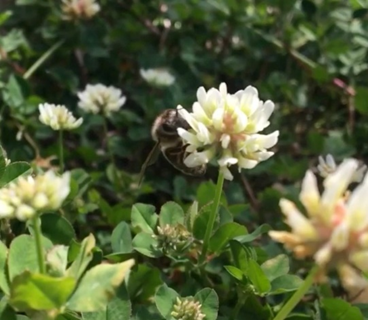
Greater than 30 forage legume species are now available in Australia to underpin cropping and livestock production enterprises. Despite many of these species displaying spectacular flowers that must be of some value to pollinators, floral attributes of most species have not been quantified, other than as it relates to the seed production and persistence of the legume itself. Producers therefore have little opportunity to consider potential value to pollinators when selecting which legume species to sow.
A network of sites around the state including Glen Innes will evaluate a range of forage legumes to provide quantitative data comparing the relative volume of nectar produced by forage legume species, determination of the relative value of honeybees to the pollination of the different legume species as determined by seed production and define the flowering windows of the different legume species across a diverse range of environments.
The Clover4Bees project team was funded by AgriFutures Australia.


