

Collection and Diagnostic Services
Collection and Diagnostic Services
Specimen loans
Request for loans of material can be made either through the general inquiries email or by contacting the curator of the specific collection (see Contact Us).
For more information on loan conditions, please visit Loaning material from our Collections.
Accessioning/Vouchering a specimen
The biosecurity collections hold specimens (species, biotype or strain) related to plant health and food safety, and all mycology related specimens. These include:
- insects, mites, fungi, bacteria, viruses, viroids, oomycetes and other stramenopiles, nematodes
- this extends to diseases of insects, diseases of fungi, environmental pests (e.g. ants, termites), and beneficial organisms (e.g. bees, pollinating beetles, fungal endophytes, predatory insects)
- For guidelines on preparing specimens and collecting data, please see the Plant Health Australia resource - Guidelines on the preparation of biological materials for accessioning into long-term collections
Procedures
- Contact the appropriate collections manager (see contacts section) to discuss the specimen and how it should be handled/collected, packaged and dispatched.
- Complete the ONLINE FORM and upload specimen collection details spreadsheet (if applicable)
- Upload any additional data: information relating to the ecology and pathology of the organism such as habitat, description of damage and/or disease symptoms, measurements, photographs, culture characteristics, and DNA sequence data (the region sequenced and FASTA file or GenBank number).
What can I accession?
Specimens may be an individual, item or part and may be preserved, a live culture or DNA. Established, pre-existing, historic and orphaned collections are also welcomed. Specimens can be:
- A new species to science, new species records for NSW or Australia
- New host/range extension records
- Samples generated during research, surveillance or diagnostic activities (including quarantine interceptions)
- Strains/biotypes that require vouchering for permits and production requirements
- Private/commercial preservation.
Does it need to be fully identified?
This service is for specimens that are identified to some level (e.g. family, genus, species or common name), and either need to be accessioned with a recognised collection for publication (vouchering) or because you are contributing to our pest and disease, and biodiversity, records for NSW. For diagnostic services please consult our Plant Health Diagnostic Service page
Accessioning cultures?
We ask that the cultures you send be freshly sub-cultured onto inhibitor free PDA media and checked for purity prior to dispatch. All cultures should be clearly labelled with your unique identification number, the date sub-cultured and “OK” for purity. Please DOUBLE-WRAP your cultures in para-film AND place in zip-lock bag(s)
Is there a charge?
Accessioning a specimen with the Biosecurity Collections is free of charge for material contributing to pest status or biodiversity data. For research vouchering and commercial preservation please consult the costing table below:
| Preservation Type | Base cost first specimen (excl. GST) | Cost per additional specimen (excl. GST) |
|---|---|---|
| Preserved specimen (pressed, pinned, slide mounted etc) | $137 | $64 |
| Living Culture (cryopreservation, slope media, freeze dried)* | $248 - $540 | $65 - $114 |
*Cultures can be stored in one or all of our preservation methods, this is reflected in the cost range. The curator will discuss this with you.
The Biosecurity Collections Curators retain final decision on the suitability of a specimen.
Purchasing from our culture collection
At present our culture database is not publicly accessible. Please enquire with the curator or technical officer (see contacts) for the species of interest. Cultures can be ordered from us in two forms.
- On growth media: Cultures are freshly grown from their storage system. A plate of pure culture is supplied. Cultures undergo quality assurance prior to shipment.
- As a freeze dried sample in a glass ampoule: The species ordered will affect availability of this option as not all cultures are preserved using this method. A glass ampule order allows you to keep the specimen in its preserved state until ready for culturing.
Cost per living culture This helps us offset the costs involved in maintaining the collection and retrieving, preparing and shipping your order. Cultures held in our collection were lodged “as is”. Confirmation of identification for cultures is not performed | $233 plus shipping (+International shipping by courier) All prices are excluding GST |
Living culture preservation
This service is aimed at research or reference cultures that you wish to have preserved and/or stored with the Herbarium but do not wish for the culture or associated data to be publicly available.
The NSW Plant Pathology & Mycology Herbarium has been preserving living cultures of fungi since the 1960s. We work with cultures within a Biosecurity Containment Facility (BC2) framework and the collections are managed according to ISO 9001:2015 certification.
Cryopreservation
To cryopreserve cultures we use MicrobankTM products. This is a cryopreservation method for fungal and bacterial cultures where your culture is captured in beads and stored at -80oC. This provides a more reliable means of maintaining important cultures than repetitive sub-culturing, and the specially formulated preservative ensures longer survival and higher quantitative recoveries.
Freeze drying & vacuum preservation services
We use the LabConco FreeZone Freeze Dry System. Cultures are dried slowly under vacuum and preserved in sealed glass ampules. These methods are more expensive and labour intense than our cryopreservation service but the resulting preserved material is robust and can be stored at 4 -15oC. We have successfully revived cultures that were stored for over 50 years using this method.
Contact us to discuss your culture preservation needs.
Specimen Imaging
The Collections are equipped to produce spectacular images of specimens at both the macro and micro level.
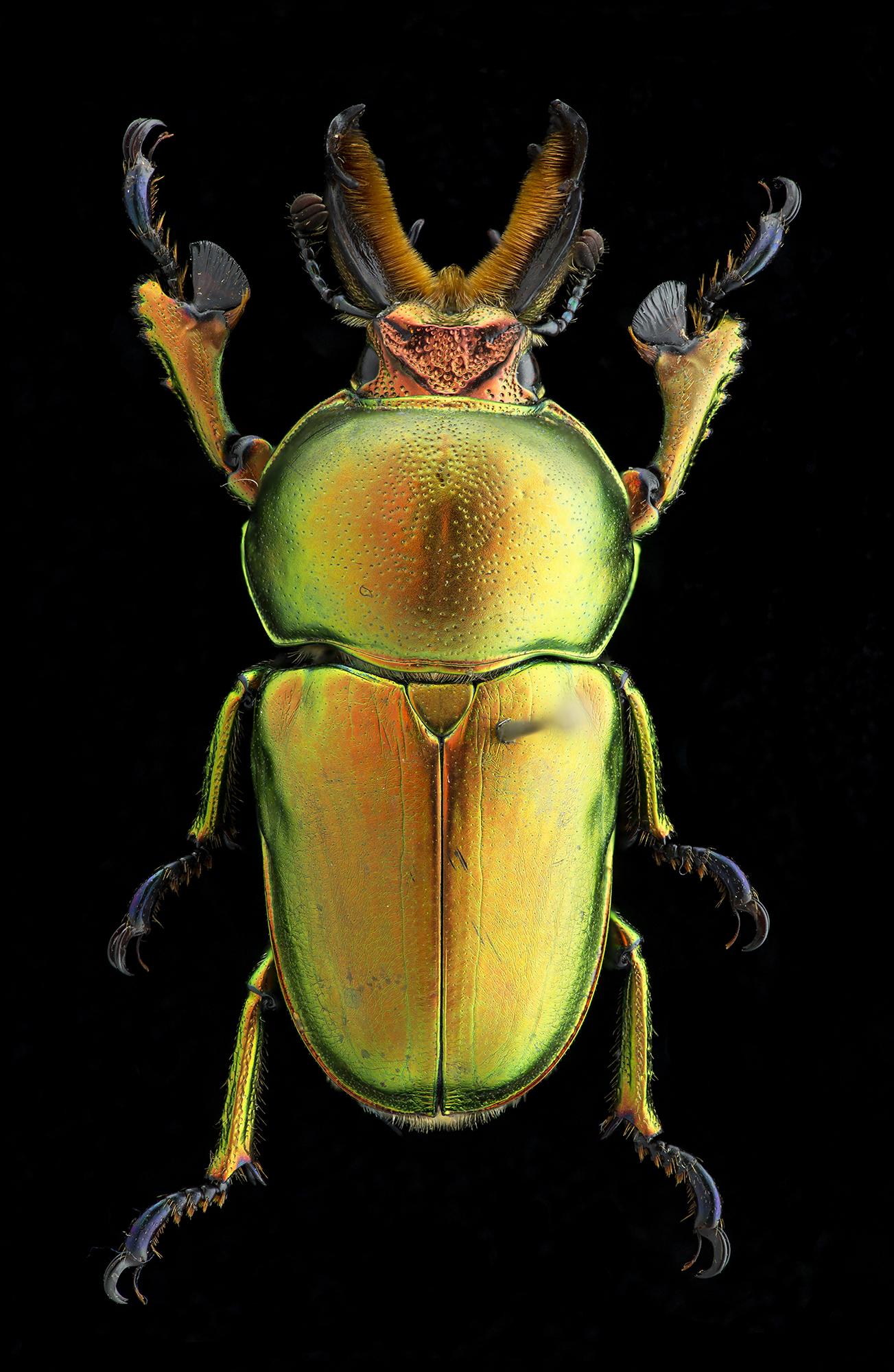
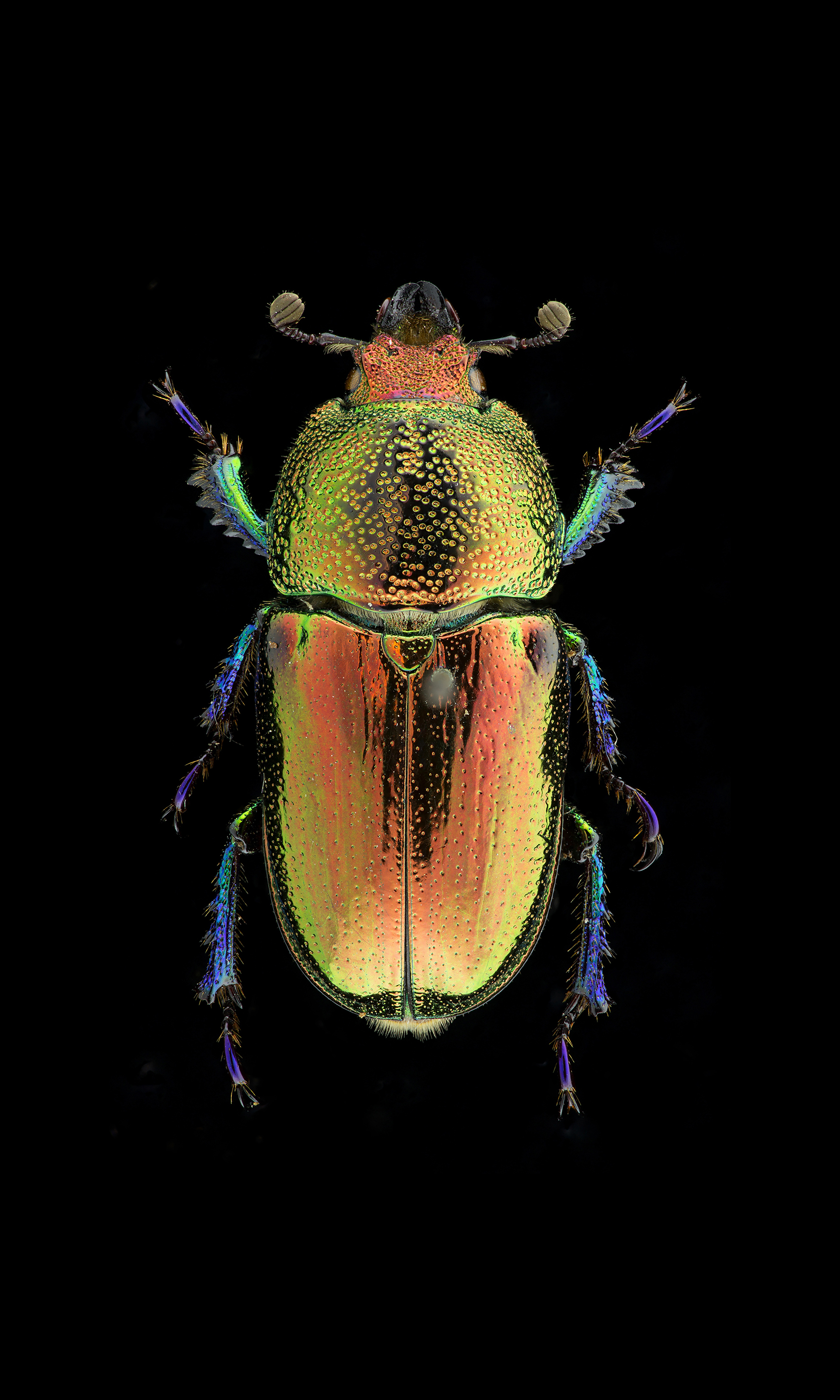
To discuss your imaging needs please contact us
Our specimen images are available for purchase through Redbubble
Diagnostic services
For Plant Health Related enquiries please contact the Plant Health Diagnostic Services.
The Biosecurity Collections uses our extensive specimen records and expert knowledge to issue area freedom/pest status letters for export.
Charges associated with requests are based on time taken with a minimum 30 minute charge. Same day requests will attract a 30 minute penalty. Letters are issued with a 12 month validity.
For DOMESTIC TRADE area freedom requests and enquiries please contact: biosecurityplantapplications@dpird.nsw.gov.au
| Charge | |
|---|---|
| Per 15 mins | $59.25 |
| Standard issue/re-issue 30 mins | $118.50 |
| Same day penalty (30 mins) | $118.50 |
Complete the APPLICATION FORM to submit a request.
Notification of application can also be emailed to biosecurity.collections@dpi.nsw.gov.au for urgent requests.
