

Shaw creeping vigna
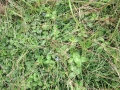
Shaw creeping vigna
(High-resolution
image available)
NOTE: The information in this Agnote must be read in conjunction with Introduction to selecting and using pastures in NSW, which covers information on areas of adaptation, sources of variability, species mixtures, and important issues related to animal health and the conservation of native vegetation.
| Pasture type and use | Perennial summer-growing subtropical legume. Grazing, agroforestry. |
|---|---|
| Area of adaptation | Subtropical North Coast |
| Min. average annual rainfall | 1100 mm |
| Advantages |
|
| Disadvantages |
|
| Soil requirements | Versatile soil types. Warm sites with moist but well-drained soils. |
| Varieties | cv. Shaw |
| Sowing rates: | |
| |
| Sowing time | Spring |
| Companion species | Usually sown alone with grasses. Best grown with sward-forming grasses. |
| Inoculation | Group I |
| Major nutrient deficiencies | Phosphorus, potassium and molybdenum. |
| Main insect pests | None encountered. |
| Main diseases | Stemphylium and cercospora leaf spot during moist autumn. Ensure adequate ventilation. |
| Management | Light grazing in establishment year. Once established, Shaw tolerates prolonged heavy grazing. Grazing pressure should be set to produce a low, leafy canopy. Bulky, undergrazed stands develop severe leaf diseases. |
| Livestock disorders of particular note | Nitrate poisoning has occurred by ingestion of a related species. |
| Additional tips | Will grow over crofton weed, mistflower and blady grass, facilitating control by trampling. Sensitive to most herbicides. |
| Further information |
Acknowledgments
Advice on livestock health disorders was provided by Dr Chris Bourke, Principal Research Scientist, NSW Agriculture, Orange. His contribution is gratefully acknowledged.
Photo: Bede Clarke, NSW Agriculture, Casino
