

Paspalum
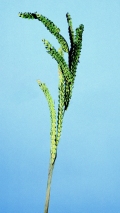
NOTE: The information in this Agnote must be read in conjunction with Introduction to selecting and using pastures in NSW, which covers information on areas of adaptation, sources of variability, species mixtures, and important issues related to animal health and the conservation of native vegetation.
| Pasture type and use | Mainly mixed with ryegrass, clover pastures. Persists with kikuyu pastures. Adapted to the wetter areas, dairies etc. on the coastal and inland slopes and plains. |
|---|---|
| Area of adaptation | Coastal and wetter areas of slopes and plains. |
| Min. average annual rainfall | 750 mm adapted to summer-dominant rainfall areas. |
| Advantages |
|
| Disadvantages |
|
| Soil requirements | Prefers heavy clays. Persists in areas of poorer drainage. |
| Varieties | Common |
| Sowing rate | 3–5 kg/ha |
| Sowing time | Mid-October to March. |
| Companion species | White clover / red clover. |
| Inoculation | N/A |
| Major nutrient deficiencies | Nitrogen |
| Main insect pests | No significant problems. |
| Main diseases | Ergot |
| Management | It is accepted as a naturalised self-regenerating summer grass. It is rarely sown. Tends to invade ryegrass, clover pastures. It can also survive with kikuyu.
Maintain stocking pressure from December to March. It flowers from mid-January to March/April. Regular slashing or mulching is critical in maintaining feed quality. |
| Livestock disorders of particular note | Nervous ergotism (‘staggers’). |
| Additional tips |
|
Acknowledgment
Advice on livestock health disorders was provided by Dr Chris Bourke, Principal Research Scientist, NSW Agriculture, Orange. His contribution is gratefully acknowledged.
