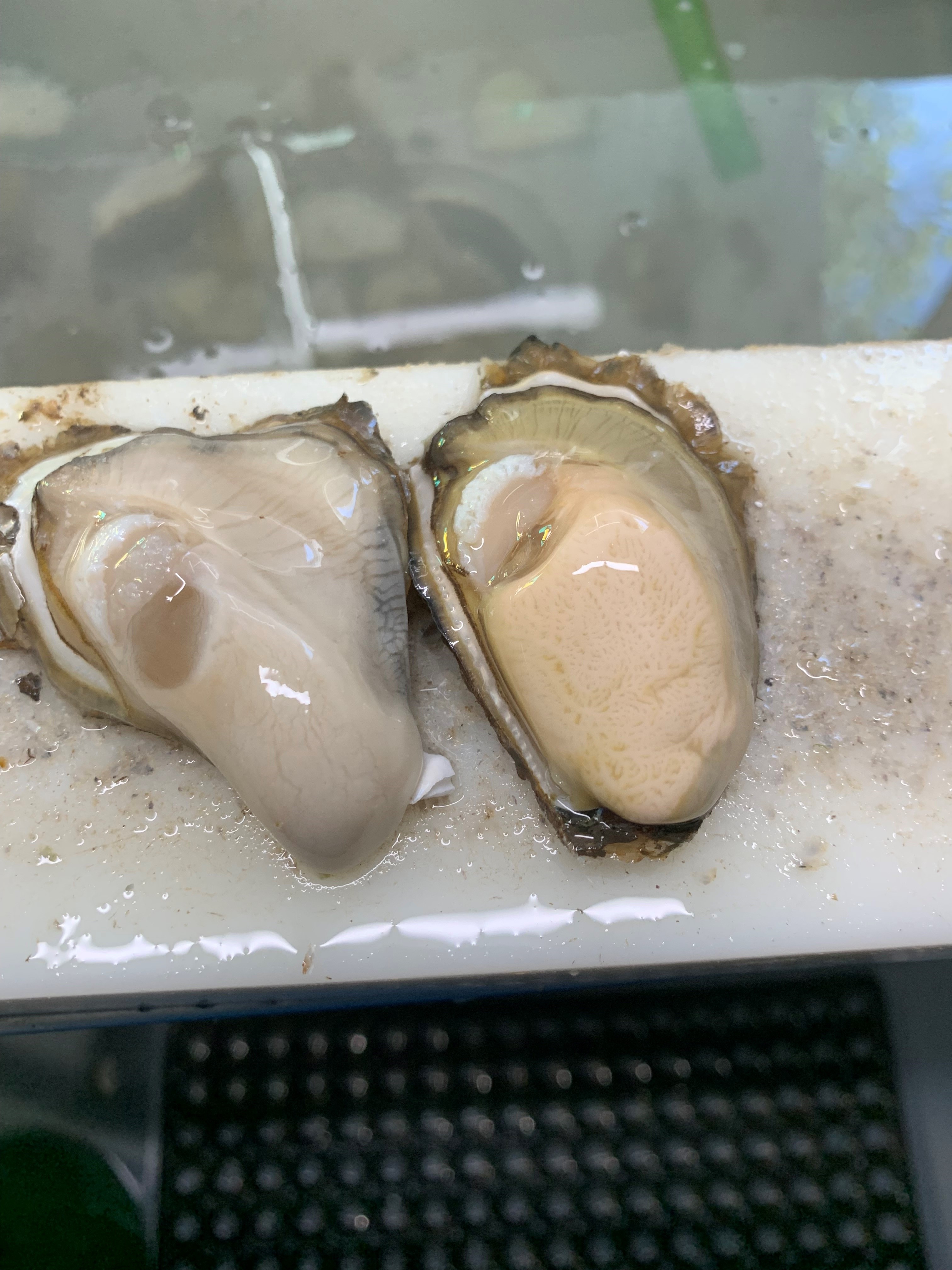
Port Stephens QX – Information for Port Stephens oyster permit holders
When was QX found in Port Stephens?
QX was first confirmed in Sydney Rock Oysters in Port Stephens on 27 August 2021. Thanks to the diligence of farmers, a prompt response to this detection was made possible, preventing further spread to other QX unaffected estuaries in NSW.
When and where was QX reconfirmed in Port Stephens?
In February 2022, QX was reconfirmed in both the Karuah River and Tilligerry Creek growing regions following reports of unexplained mortalities and oysters showing clinical signs suggestive of QX disease. During a March 2022 surveillance sampling program run by the department to determine presence / absence of QX in various regions of the Port, QX was again detected in multiple western growing areas. QX was detected in both wild and cultivated oysters across multiple size classes.
How will QX be managed in Port Stephens?
In August 2021, the QX status of Port Stephens was changed from a ‘low QX risk area’ to ‘under investigation.’ Following the February and March 2022 reconfirmations of QX disease in the estuary associated with high levels of mortality, the department analysed this data and determined that the Port Stephens QX risk classification met the criteria for a ‘high QX risk area’.
QX remains a notifiable disease in NSW, and when active QX is suspected, even in high QX risk estuaries such as Port Stephens, this needs to be reported to the Department. Unexplained oyster mortalities as well as observations of diseased or unwell oysters should continue to be reported in accordance with aquaculture permit conditions.
QX disease does not affect humans and is not a food safety risk.
Oysters in the marketplace must comply with stringent food safety standards of the NSW Shellfish Program.
Oysters that are affected by QX will not depurate as effectively and are likely to exhibit shorter shelf life while being stored live.
Considerations for re-stocking spat and stock availability
Some important things to consider before restocking in a QX affected estuary:
What is the QX disease resistance of the stock?
Have QX infections ceased?
What is the water quality like? particularly if restocking spat.
Can areas of the estuary that experience recurrent QX impacts be avoided?
Can marketable oysters be sold before QX exposure? or can QX disease resistant oysters be sold prior to a second season of exposure?
QX resistant Sydney rock oysters
The NSW DPIRD Sydney Rock Oyster breeding program has commercially available oyster families that have been bred to have greater than 70% survival through a QX disease event compared to non-selected (wild) oysters that can experience losses of up to 90% in a QX disease outbreak. Further details regarding the overall performance of these families can be obtained from DPIRD Research Scientist Laura Parker (email: laura.parker@dpird.nsw.gov.au or phone: 02 4916 3900).
To address the many unknowns surrounding QX disease NSW DPIRD has conducted extensive research into the disease and undertaken surveillance throughout NSW.
To learn more about Port Stephens estuary wide surveillance, the window of infection study and genetic typing of Marteilia sydneyi please visit our QX surveillance and research webpage.
Aquatic Biosecurity: report unexplained mortality via the 24-hour Emergency Animal Disease hotline: 1800 675 888 or via email aquatic.biosecurity@dpird.nsw.gov.au
For non-urgent enquires call the Port Stephens Fisheries switch: (02) 4916 3900 (during business hours only).
NSW Food Authority: (status of harvest areas and sale of stock): 1300 552 406 or Harvest Status Website