

Report unusual disease signs, abnormal behaviour or unexplained deaths in wildlife and other animals
Call the 24-hour EAD hotline on 1800 675 888.
Wildlife and wild animals
Australia’s unique and diverse wildlife is something we deeply value and take pride in. However, wild animals can also pose significant biosecurity risks in NSW, particularly when they act as reservoirs or carriers of pathogens. These pathogens have the potential to affect humans, domestic animals, and ecosystems by introducing notifiable, zoonotic, and infectious diseases. Recognising and managing these risks is essential to protecting both our environment and public health, while continuing to celebrate and conserve our native species
Diagnostic laboratory testing for most veterinary diseases in NSW is performed at Elizabeth Macarthur Agricultural Institute (EMAI) laboratories.
Notifiable diseases commonly tested for by species


Bats: flying foxes and microbats

Marine mammals

Marsupials

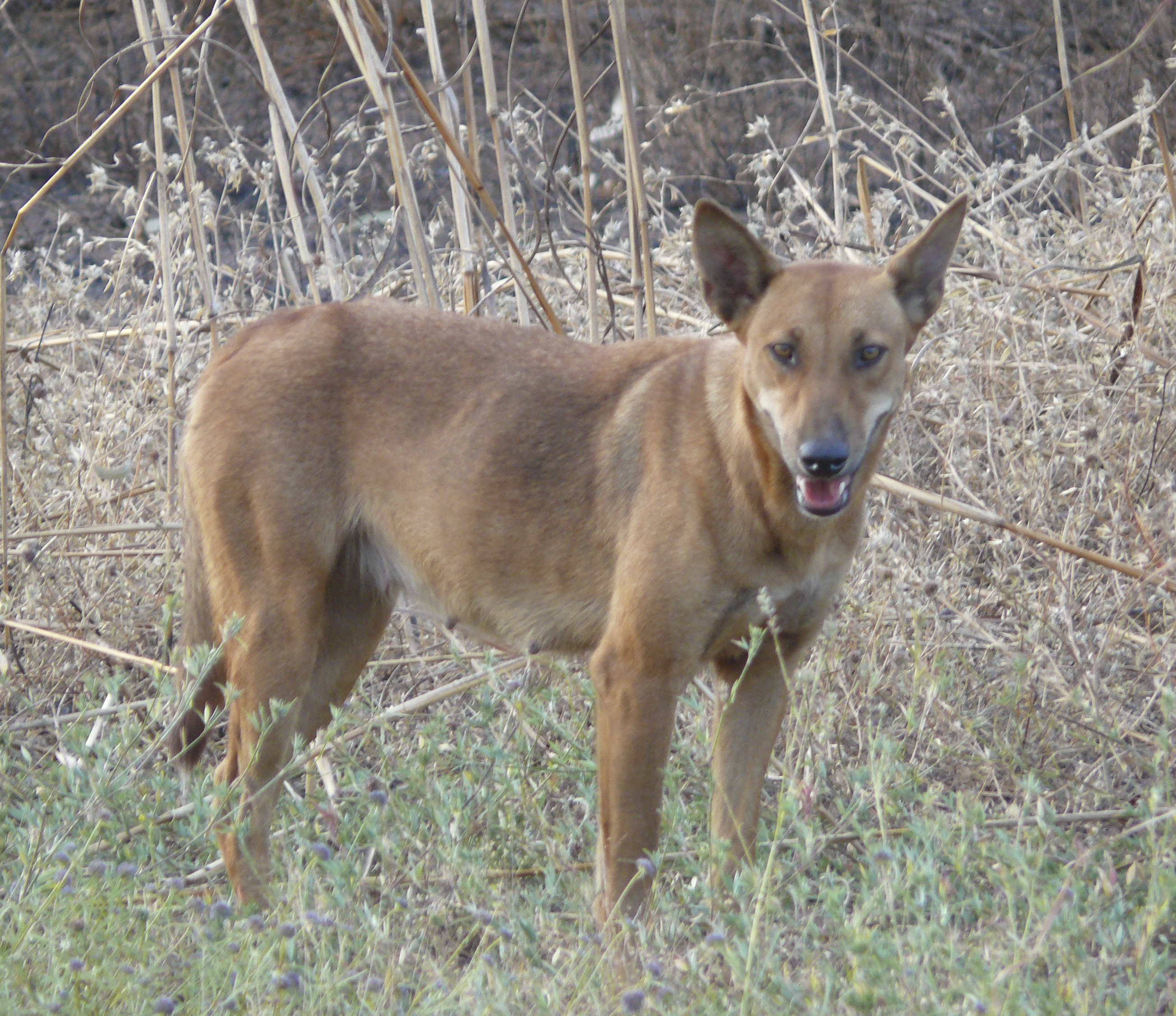


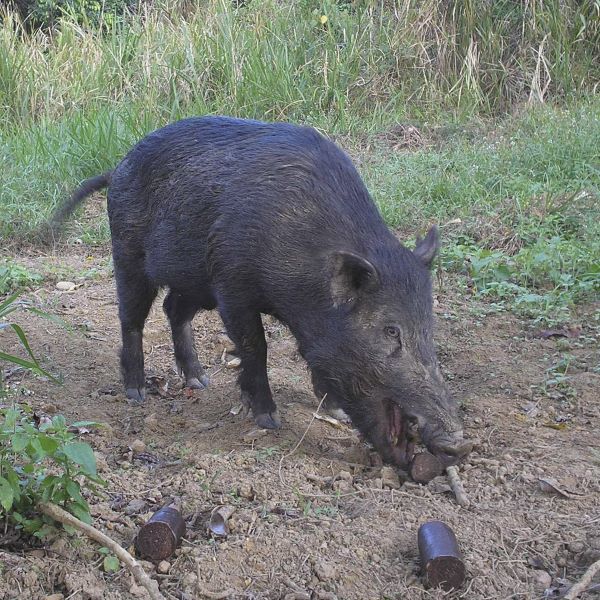
Wild horses and donkeys


Rabbits and rodents

Amphibians and Reptiles


Wildlife Events and biosecurity partnerships
Funding assistance for veterinarians to investigate significant wildlife disease events
Notifiable Disease Testing
NSW DPIRD funds the testing and transport of wildlife samples when a notifiable disease is suspected. Please report any unusual cases of death and disease in wildlife to the Emergency Animal Disease Hotline 1800 675 888.
NSDIP (National Significant Disease Investigation Program)
The National Significant Disease Investigation Program (NSDIP) subsidises veterinary practitioners to investigate and report on “significant” disease incidents in wildlife and livestock. Eligible practitioners include registered, non-government, clinical veterinarians working in private practice, university clinics, zoos, and wildlife parks.
A “significant” event may involve high morbidity or mortality, rapid spread, impacts on public health, trade or production, or cases where an initial investigation has failed to identify a diagnosis.
The program is managed by Animal Health Australia (AHA). Wildlife Health Australia (WHA) and the NSW WHA Coordinator assess case eligibility and approve funding of wildlife disease investigation on a case-by-case basis.
Subsidies are available for field and clinical investigations, necropsies, sample collection, and laboratory testing related to wildlife disease incidents. The veterinary practitioner must submit a report to WHA detailing the investigation, including their assessment and laboratory results.
Further Information is available at the following links:
Wildlife Disease Investigations
Wildlife Health Australia National Significant Disease Investigation Program
Animal Health Australia Collaborative disease investigations
Shearwater Migration
Mass deaths of shearwaters, also known as “wrecks,” are a seasonal and recurring phenomenon along Australian beaches and coastline, typically occurring in spring (ranging from September to December). These events are often linked to the birds’ long migratory journey, where exhaustion, starvation, and severe weather play a major role. While concerning, they are not unusual and have been documented for decades.
NSW DPIRD conducts ongoing surveillance to monitor these events and to rule out serious infectious diseases such as avian influenza.
People are advised not to touch these birds and keep pets away. Report mass mortalities to the Emergency Animal Disease Hotline on 1800 675 888 or use the DPIRD online form: Report sick or dead wild birds
For more information, please refer to Shearwaters | Native animals | Environment and Heritage or Wildlife health Australia (WHA) fact sheet: Shearwater Mass Mortalities
DPIRD wildlife affiliated agencies
Managing biosecurity risks associated with wild birds, mammals and reptiles requires complex collaboration among multiple agencies. The NSW Department of Primary Industries and Regional Development (DPIRD) works closely with the following organisations in NSW to mitigate these threats:
- NSW Local Land Services (LLS)
- NSW Health
- The Australian Registry of Wildlife Health (ARWH)
- NSW Department of Climate Change, Energy, the Environment and Water (DCCEEW)
- Office of Environment and Heritage (OEH) Home | Environment and Heritage
- NSW Environmental Protection Authority (EPA)
- NSW National Parks and Wildlife Service (NPWS)
- NSW Department of Planning, Housing and Infrastructure (DPHI)
- Wildlife Health Australia (WHA)
- Animal Health Australia (AHA)
- Wildlife Information, Rescue and Education Servies (WIRES)
- Organisation for the Rescue and Research of Cetaceans in Australia (ORRCA)
- Wildlife rescue and rehabilitation organisations
- Private veterinarians
- Members of the public
FAQs about wildlife health and biosecurity: What should I do if I find……
Sick, injured, orphaned or dead wildlife
Contact your local wildlife care organisation, such as WIRES on 1300 094 737. They can provide advice, take the animal into care, or assist with veterinary treatment.
For more information, refer to Wildlife health Australia (WHA) fact sheet on the WHA website: What_to_do_if…..You see Sick, orphaned or injured wildlife
If you are located in a National Park, refer to the National Parks and Wildlife Service website What to do when you come across sick or injured wildlife | Blog - NSW National Parks or call 1300 072 757.
Single deceased native animal (disposal only): contact your local council
For non-native animals, please contact the RSPCA on 1300 094 737 or your nearest veterinary hospital.
Sick, injured or dead birds (excluding shearwaters)
Five or more sick or deceased wild birds of any species found in one location: call the Emergency Animal Disease Hotline on 1800 675 888. If you suspect a poisoning or toxicity event, please phone the NSW EPA Enviroline on 131 555
Fewer than 5 wild birds showing neurological, respiratory, gastrointestinal symptoms, or sudden death: call the Emergency Animal Disease Hotline on 1800 675 888 or use the DPIRD online wild bird reporting form: Report sick or dead wild birds
One or more seabirds, waterbirds, shorebirds, birds of prey, or scavenging birds showing neurological, respiratory, gastrointestinal symptoms, or sudden death: call the Emergency Animal Disease Hotline on 1800 675 888 or use the DPIRD online wild bird reporting form: Report sick or dead wild birds
Single live injured bird: contact your local wildlife care organisation, such as WIRES on 1300 094 737, or consult a private veterinarian.
Single deceased bird (disposal only): contact your local council or refer to:
Disposal of bird carcasses from public and private land: General Public PDF, 176.65 KB
Sick, injured or dead shearwaters 'mutton birds' on the coast
Seasonal shearwater deaths are a known natural event and not usually a cause for concern.
To ensure public safety and support disease surveillance, efforts: Do not handle affected birds and keep pets away.
If 5 or more birds are found sick or dead, please report the incident using the DPIRD online form Report sick or dead wild birds . Every report contributes to monitoring for diseases such as avian influenza.
If large numbers of shearwaters are affected (typically 50 or more), or the event occurs in an off-shore location, please phone the Emergency Animal Disease Hotline on 1800 675 888
For more information, please refer to Shearwaters | Native animals | Environment and Heritage or Wildlife health Australia (WHA) fact sheet: Shearwater Mass Mortalities
Sick, injured or dead bats
Bats (flying foxes and microbats) can carry Australian Bat Lyssavirus (ABLV) which is a rabies-like virus, fatal to humans. DO NOT handle bats. Contact WIRES on 1300 094 737 for assistance.
If a person or a pet (dog or cat) has had contact with a bat, call the Emergency Animal Disease Hotline on 1800 675 888 and visit the Australian Bat Lyssavirus web page for more information.
If a person has been bitten, scratched, or exposed to bat saliva, contact NSW Health IMMEDIATELY on 1300 066 055
For more information, refer to the NSW Health website: Be careful around wildlife: protect yourself
Sick, injured or dead marine mammals
If you come across a stranded, injured or entangled whale, dolphin, seal or dugong, please report it immediately.
These animals require expert care by trained marine professionals. Contact ORRCA Rescue Hotline on 02 9415 3333 or the NSW National Parks and Wildlife Service on 1300 072 757.
Wildlife affected by an unusual disease of uncertain significance
Please contact your Wildlife Health Australia (WHA) State Coordinator - WHA Coordinator Contacts. You can also seek advice from your local veterinarian or wildlife care organisation, who may be familiar with wildlife disease patterns in your area.
When reporting, please provide the location of the evert, duration, number of species of animals affected and the observed symptoms.
How do I report a suspected zoonotic or notifiable disease?
If you suspect a notifiable, zoonotic, or emergency animal disease in wildlife or wild animals
Please refer to lists of diseases:
Notifiable pests and diseases of animals in NSW
Zoonoses – animal diseases that can infect people
If you observe unusual symptoms or unexplained deaths in wildlife, act quickly and call the Emergency Animal Disease Hotline (24/7) on 1800 675 888. Emergency animal diseases can have serious consequences for trade, agriculture, and public health.
If you are concerned about human exposure to an animal suspected of carrying an infectious disease, call NSW Health on 1300 066 055
Policy and Procedure
Procedure: Procedure: Wildlife biosecurity – management of pests and diseases of wildlife
NSW Department of Primary Industries is the lead agency:
- in the coordination of investigation of any wildlife health incident where an infectious pest or disease is suspected or confirmed as a significant biosecurity impact to public health, domestic animal health, animal welfare, the environment or economy
- in the coordination of information and investigation of any wildlife health incident where the disease agent is unknown, until it is deemed there is no likely significant biosecurity impact from an infectious pest or disease to public health, domestic animal health, animal welfare or the economy
- for the management of suspected or confirmed emergency animal pest or disease in wildlife in accordance with the Australian veterinary Emergency Plan (AUSVETPLAN) Wild Animal Response Strategy, individual AUSVETPLAN disease strategies or other emergency animal disease response plans
In addition, NSW DPIRD provides a supporting role to the appropriate organisations in other wildlife health incident responses, including biosecurity management, surveillance, infectious disease investigations and laboratory services through the NSW DPIRD Laboratory Service.






Your general biosecurity duty
The principle of everyone playing a role in managing biosecurity, as a shared responsibility is captured in legislation.
Everyone is required to follow the rules that prohibit some high-risk activities and materials. In addition, under the Biosecurity Act people have a general obligation to be aware of their surroundings and take action to prevent the introduction and spread of pests, diseases, weeds and contaminants.
Read more about the general biosecurity duty .
Reporting animal biosecurity emergencies
Some animal pests and diseases, or residues in animal products or stock feed can have serious consequences for trade, production or human health. By remaining vigilant and acting quickly if you suspect a significant animal pest, disease, or residue you may be able to prevent these consequences. Don’t delay! Contact Local Land Services or ring the 24 hour hotline: