
Report Tularaemia
Report unusual disease signs, abnormal behaviour or unexplained deaths in wildlife and other animals. Ring the 24 hour EAD hotline on 1800 675 888.
Tularaemia is a notifiable infectious disease caused by the Gram-negative bacterium Francisella tularensis. It is classified as both an Emergency Animal Disease and a zoonotic disease, capable of spreading from infected animals to humans.
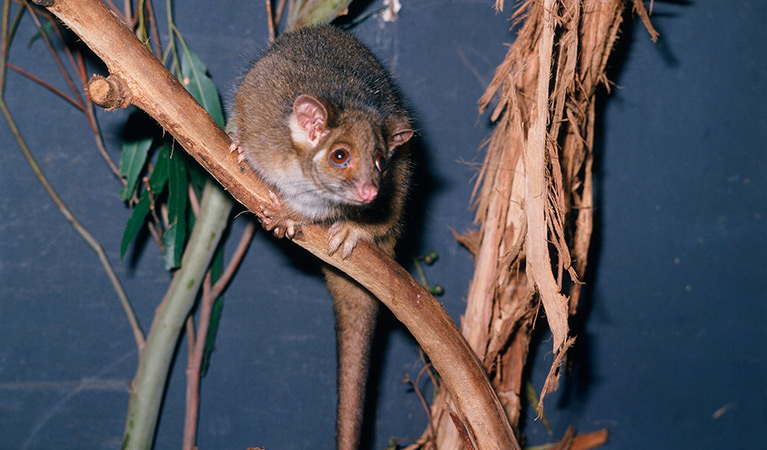
While rare, tularaemia has been diagnosed in many mammal species overseas, particularly rabbits, hares and rodents. In Australia, tularaemia has been detected in possums and other wildlife species.
In 2016, tularaemia was detected in Australian animals for the first time following investigations into two separate mortality clusters. Both of these events occurred in NSW and involved common ringtail possums that had died in 2002 and 2003 in the Sydney north shore area.
To date, there have been four reported cases of tularaemia in humans in Australia - two in Tasmania and two probable cases in NSW. All individuals had been exposed to possum bites or scratches, or, in one case, had likely been exposed to infected wildlife during a post-mortem examination.
Disease information
What does Tularaemia look like?
In animals:
- Sudden death and mass mortalities
- Overseas - symptoms have included:
- Fever, depression, loss of appetite
- Skin ulceration and local inflammation at the entry site
- Local lymph node enlargement
- In Australia - post-mortem findings in possums included acute necrotising enteritis and acute necrotising hepatitis, however this was possibly multifactorial
- Dogs, cats, and sheep can be affected, although most do not show clinical signs
- No domestic animal cases have been reported in Australia
In humans:
- Clinical signs vary depending on the route of transmission and symptoms can appear suddenly
- High fever, chills, fatigue, body aches, headache, nausea
- Skin ulcer at bite/exposure site and swelling of local lymph nodes
- Eye irritation and swelling of nearby lymph nodes
- Sore throat, mouth ulcers, tonsillitis, pharyngitis, lymphadenitis
- Cough, chest pain, difficulty breathing
- Infection can be severe if untreated
- All cases in Australia resolved after treatment with antibiotics
What should I do if I suspect Tularaemia in animals?
If you suspect Tularaemia in animals:
Avoid contact with sick or dead wildlife.
Report suspicious deaths or illness in possums or wildlife to the Emergency Animal Disease Hotline on 1800 675 888 (24/7) or contact a Local Land Services Authorised Officer on 1300 795 299 (business hours).
You can also email the Department of Primary Industries and Regional Development (animal.biosecurity@dpird.nsw.gov.au) within one working day.
If the animal is sick and requires urgent treatment, contact your local wildlife care organisation (eg., WIRES) and inform them that a notifiable, zoonotic disease is suspected.
Remember, you have a biosecurity duty to prevent the transmission of diseases from your animals to others.
How is it diagnosed in animals?
Sample collection and submission for veterinarians:
- Contact NSW EMAI Customer Service Unit (1800 675 623) Customer Service to discuss or email laboratory.services@dpird.nsw.gov.au to provide advanced notice of your submission.
- Complete a Veterinary Specimen Advice Form. Samples from NSW are submitted directly to our NSW EMAI laboratory. Testing will be conducted at the Australian Animal Health Laboratory (AAHL) in Victoria after being processed at EMAI.
- Use appropriate Personal Protective Equipment - Refer to 'How is it spread?'
- SUBMIT THE WHOLE ANIMAL (if possible) to the State Veterinary Diagnostic Laboratory at EMAI, Menangle, NSW
- Place the animal in a water-tight plastic bag, then double-bag
- Disinfect the outer bag
- Place specimen in an esky/rigid container with ice packs
- Clearly label the specimen “Tularaemia testing” on the top of the specimen inside the esky
- Package esky in a cardboard box with consignment note
- Keep chilled - do not freeze
Tests available for animals include:
- PCR (from swabs, tissues or whole animals)
- Bacterial culture (from swabs, tissues or whole animals)
Refer to link: Laboratory Services Tularaemia
How is it spread?
Francisella tularensis can be transmitted from animals to humans through:
- bites, scratches or direct contact with blood or tissues of affected animals
- arthropod vectors (including ticks, mosquitos and biting insects)
- inhalation of aerosols/particles
- ingestion of contaminated meat or water
It does not spread from human to human.
The incubation period in animals is usually 1-10 days and the disease can persist for 2-10 days. Animals are often deceased when presented for diagnosis.
F. tularensis is stable in the environment and can survive for many months in mud and water.
The bacterium remains viable at freezing temperatures for months to years.
Handling high-risk wildlife - Personal Protective Equipment (PPE) and hygiene practices
- Cover all wounds and abrasions with waterproof dressings
- Use insect repellent to prevent bites
- Wear PPE:
- Goggles or face shield
- Mask (N95 or P2)
- Disposable gloves and overalls
- Enclosed, washable footwear
- Follow proper donning/doffing procedures
- For live animals, use safe restraint to avoid bites and scratches
- Wash and dry hands thoroughly after handling
- Do not eat while handling animals
- Shower after working with animals
- Do not conduct necropsies on suspected tularaemia cases
Does Tularaemia affect people?
Yes, tularaemia is a zoonotic disease and can spread from animal to humans.
For more information about tularaemia in humans, visit the NSW Health website and refer to the Tularaemia fact sheet. If you have any concerns about your health or the health of other people in contact with the suspected animal, contact your GP or your local public health unit on 1300 066 055 and inform them of your contact with a potential exposure.
Further information for vets
Veterinary Biosecurity Management:
Risk assessment:
- Identify at-risk wildlife (eg., possums found deceased in groups, any wildlife showing signs of skin ulcers or systemic illness such as fever, enlarged lymph nodes, septicaemia or pneumonia).
Minimise exposure:
- Limit contact with suspected/confirmed cases
- Avoid exposure if pregnant or immunocompromised
- Isolate affected animals
- Disinfect cages under veterinary supervision
Infection control:
- Use PPE (see list above)
- Minimise aerosolisation during procedures
- Work in an isolated environment with separate ventilation (where possible) which can be fully decontaminated and is away from other staff
- Avoid necropsy where possible
- Use clinical waste bins with lids
- Disinfect surfaces with:
- 0.5 - 1% sodium hypochlorite (bleach)
- 70% ethanol
- 2% glutaraldehyde
- 4% paraformaldehyde
Aim for 20-minute contact time
Lab safety:
- Double bag and disinfect specimens
- Clearly label samples
Training and Protocols:
- Educate staff on:
- Case identification
- Infection control procedures
Refer to the Wildlife Health Australia (WHA) website to access the National Guidelines for Sample Submission: Biosecurity & Management.
Contact your state Wildlife Health Coordinator, or email animal.biosecurity@dpird.nsw.gov.au.
Other key information and resources
- Wildlife Health AustraliaFact Sheet Tularaemia and Australian wildlife & Alert - Tularaemia
- Tularemia - WOAH - World Organisation for Animal Health
- World Health Organisation Guidelines on Tularaemia WHO Guidelines on Tularaemia
Reporting animal biosecurity emergencies
Some animal pests and diseases, or residues in animal products or stock feed can have serious consequences for trade, production or human health. By remaining vigilant and acting quickly if you suspect a significant animal pest, disease, or residue you may be able to prevent these consequences. Don’t delay! Contact Local Land Services or ring the 24 hour hotline: