
eID in Action
The eID in Action series showcases real stories from the sheep and goat industry, highlighting the ongoing transition to electronic identification (eID) for sheep and goats in NSW. The aim is to illustrate both the challenges and benefits of this transition, fostering interest, understanding, and offering valuable advice for industry.
eID stories
Closewater
Join Darrell in this video during lambmarking where he began using eID in their sheep for the first time at Closewater, near Baldry in Central West of NSW.
Warrendale
Stacey and Ian Lugsdin began using electronic identification (eID) devices in their Merino flock over 11 years ago. Making data-driven decisions through eID has enabled dramatic genetic gains in carcass and wool traits for the Lugsdins.
Consultants speak on benefits of eID implementation
Expert Advice on eID
Consultants specialising in eID for sheep and goats to run through the basics of eID and why they recommend implementing data collection as producers move to mandatory eID in NSW.

Data-driven decisions– insights and improvements with eID
Norman Ag
The Normans share the considerations and processes behind their decision-making, along with data supporting their use of eID to enhance efficiency and productivity.

Navigating traceability for small producers with big movement
Hunter Valley Goat Hire
With goats constantly on the move, Hunter Valley Goat Hire presents has some unique traceability challenges. Karissa offers practical advice for small producers navigating livestock movement.

eID gains for small-scale farming
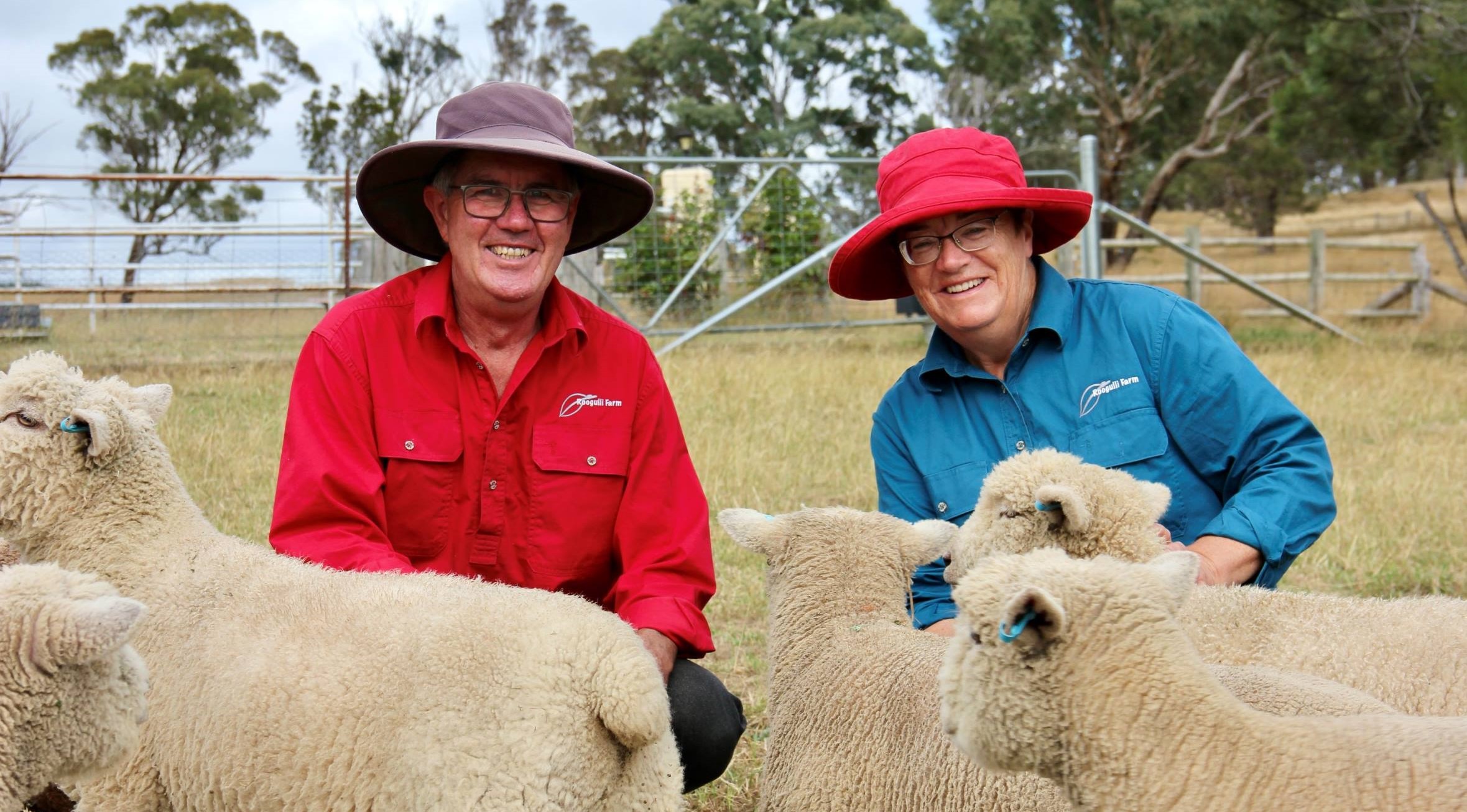
Roogulli Farm
On 25 acres, Jennie and Chris demonstrate, that even without extensive use of eID tools, smallholders can reap unique benefits from eID, often with a smaller upfront investment.
Seeking a return on eID investment from eID
Buena Vista
Already weighing his Boer goats weekly to measure productivity, Craig Stewart saw adopting eID as a natural progression. He now aims to offset tag costs through production gains.

Starting simple & stacking eID benefits
Willow Glen
For the Ross family, eID implementation was about having information that offers them more options when conditions are poor. They began gradually and now collect several points of data to make effective management decisions.

Data simplified & time saved with eID
Baringa Studs
The Gilmore family initially adopted eID for efficient record-keeping, and despite a few challenges, it's become a valuable time-saving tool, simplifying classing and selections.

eID in Victoria's largest sheep saleyard
Ballarat Saleyards
About the implementation of eID at Victoria’s largest saleyard from the perspective of agents that work there. These insights can assist NSW agents and saleyards in their eID transition.

Leading the way to eID
Cowra Saleyards
Hear directly from the staff leading the charge from Cowra Council, DPIRD and local stock and station agent, Cooper Sullivan about how they embraced the transition to eID to deliver benefits to their local stakeholders.
